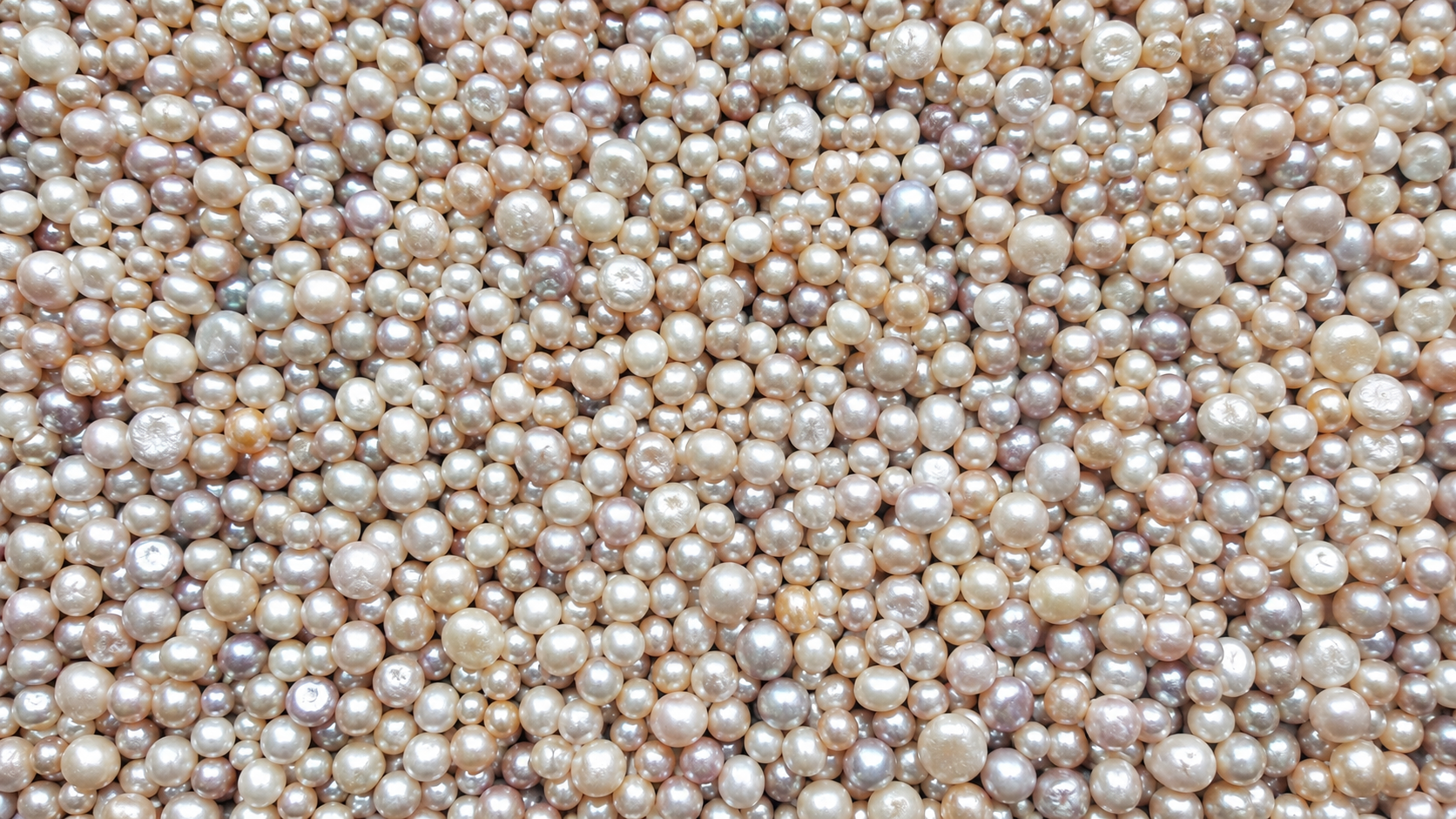
Timeline of the early Caribbean Pearl Economy and the Atlantic World from 1492 to 1622
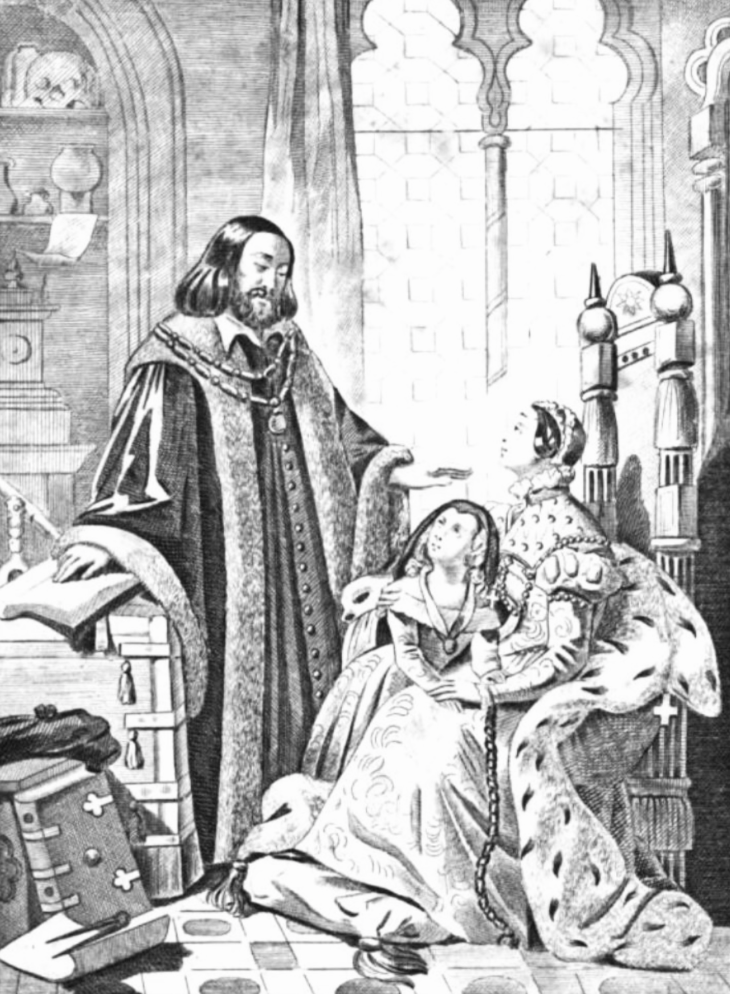
1492 — First Contact in the Lucayan Taíno World
Columbus lands in the Bahamas among the Lucayan Taíno, part of the wider Taíno world of the Greater Antilles. He notes their skill in the water and takes several captives to Spain. Within a generation, those same maritime abilities will become a reason for their enslavement.
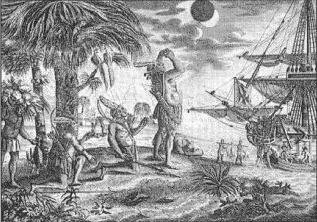
1498 — The Pearl Coast Revealed
On his third voyage, Columbus reaches the Gulf of Paria and the coast of present-day Venezuela. Indigenous people wear and trade pearls in abundance. News of these pearls reaches Spain and transforms the region from a geographic discovery into a commercial target.
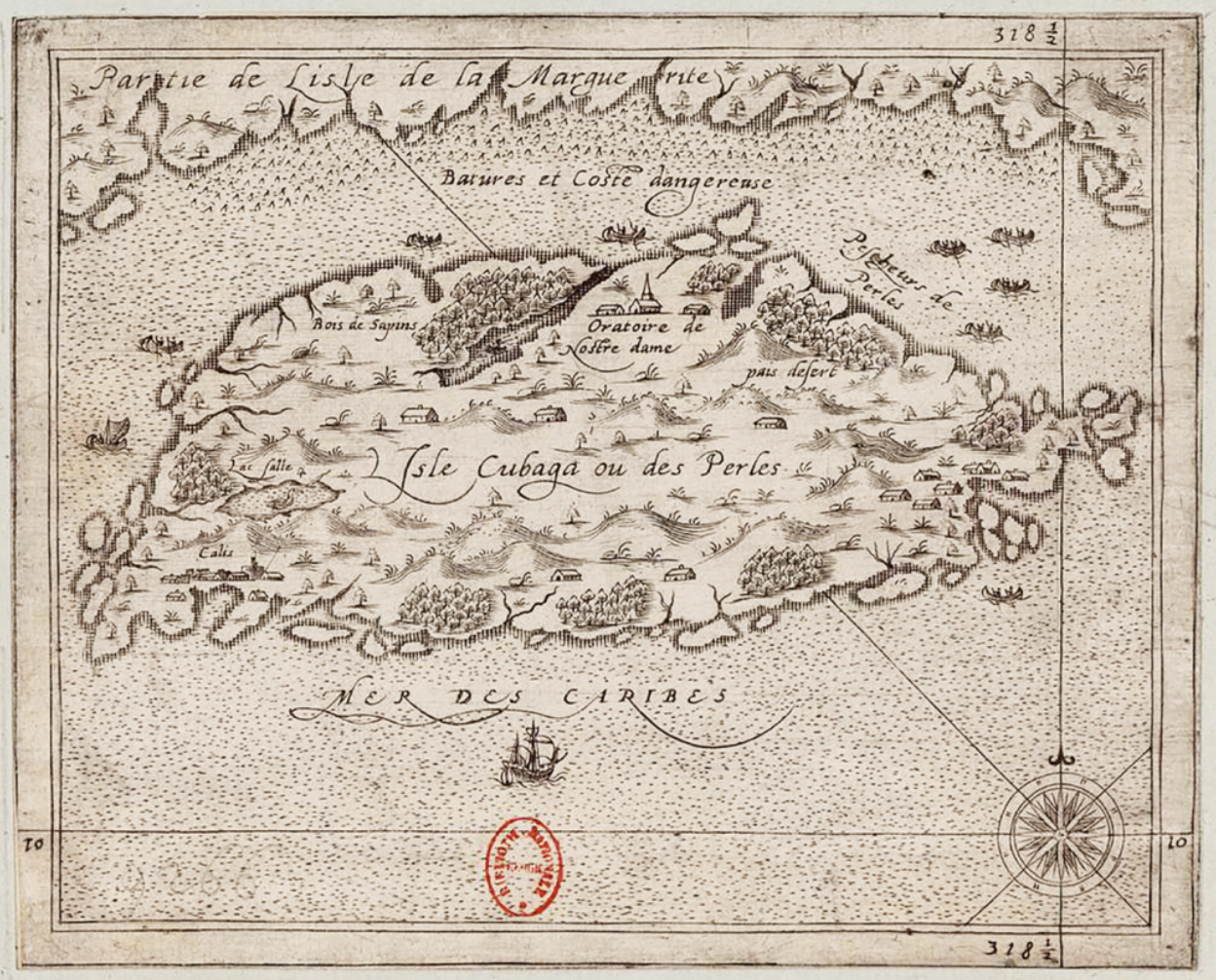
1499 — The First Profitable Pearl Voyage
Pedro Alonso Niño and Cristóbal Guerra return from the Pearl Coast with roughly 96 pounds of pearls acquired around Cubagua, Margarita, and Coche. It becomes one of the first clearly profitable voyages for the Spanish Crown in the New World and proves that the Caribbean can produce immediate wealth.
1500 — The Rush to Cubagua Begins
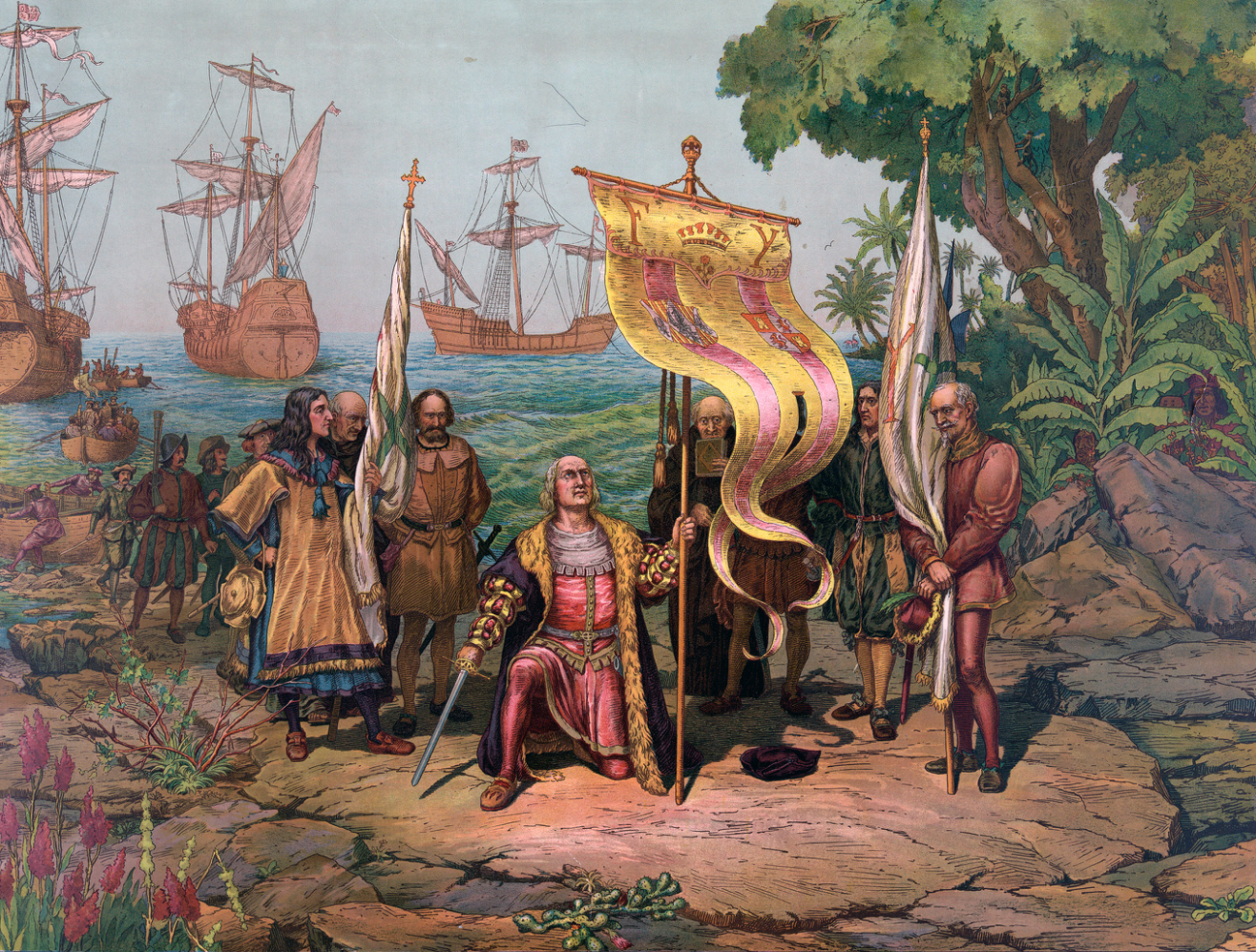
Drawn by the 1499 pearl cargo, Spanish adventurers begin erecting temporary rancherías on Cubagua. The island has no fresh water, trees, or farmland, but the pearl beds are valuable enough to justify seasonal occupation. Unorganized extraction begins.
1501–1502 — A Colonial Labor System Forms
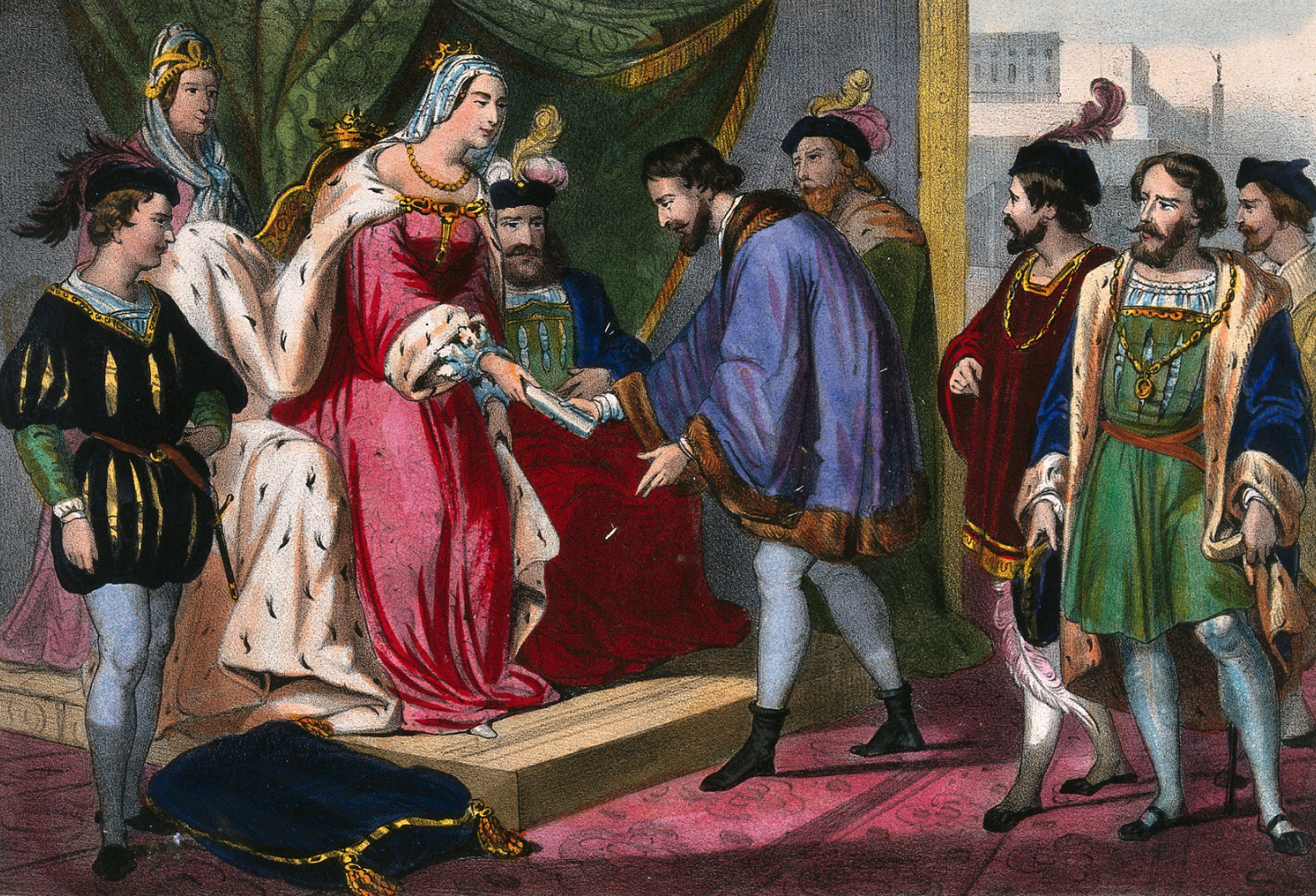
Hispaniola becomes the administrative and commercial center through which Caribbean wealth is organized. Taíno labor systems already developing there provide the model for exploitation elsewhere. Cubagua depends on supplies, ships, merchants, and officials moving through this expanding colonial network.
1503 — Lucayan Divers Are Targeted
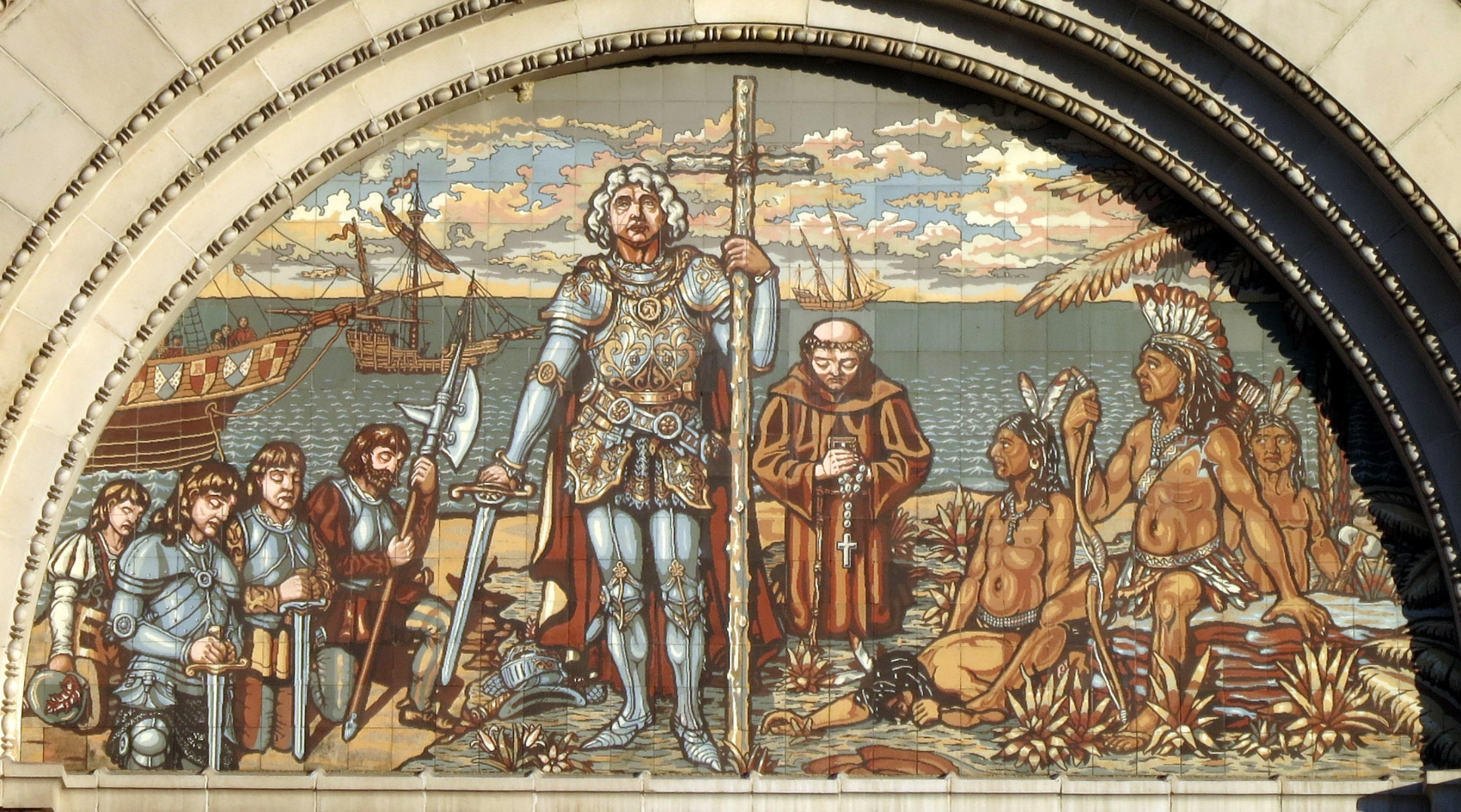
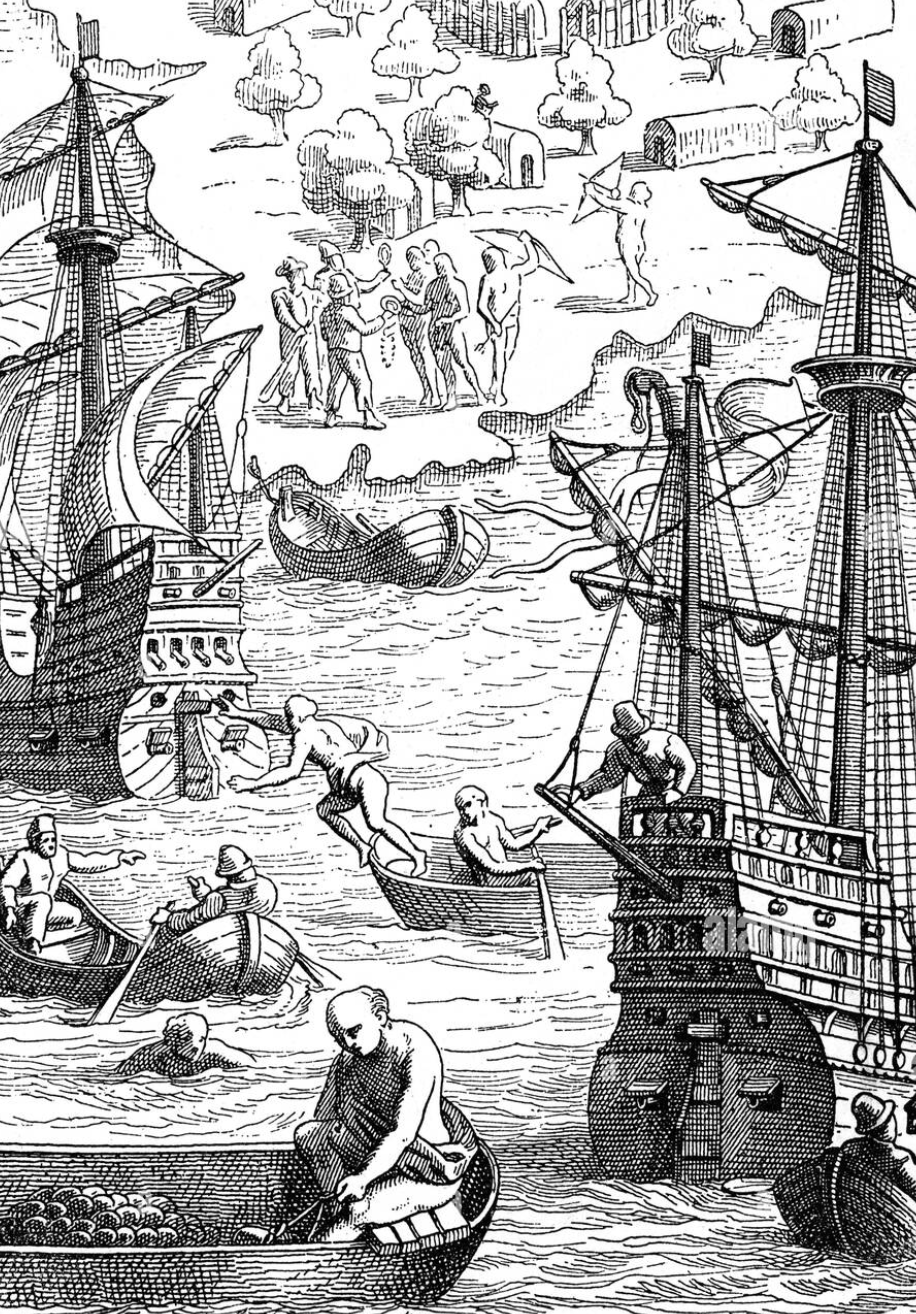
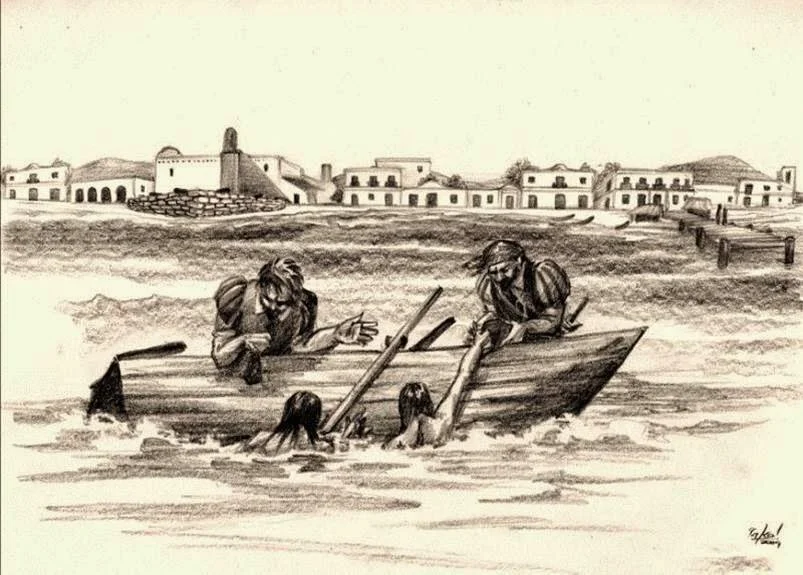
As local divers are exhausted and Indigenous populations decline, Lucayan Taíno from the Bahamas are specifically sought for their diving abilities. Their skill in the water makes them valuable in the pearl economy. Human beings are now being transported across the Caribbean to keep the oyster beds productive.
1509 — The Bahamas Are Emptied
The demand for divers accelerates the removal of Lucayan communities from the Bahamas. Entire islands are depopulated. The pearl economy is no longer only extracting pearls from the sea; it is consuming people across the Caribbean.
1511 — The First Moral Challenge
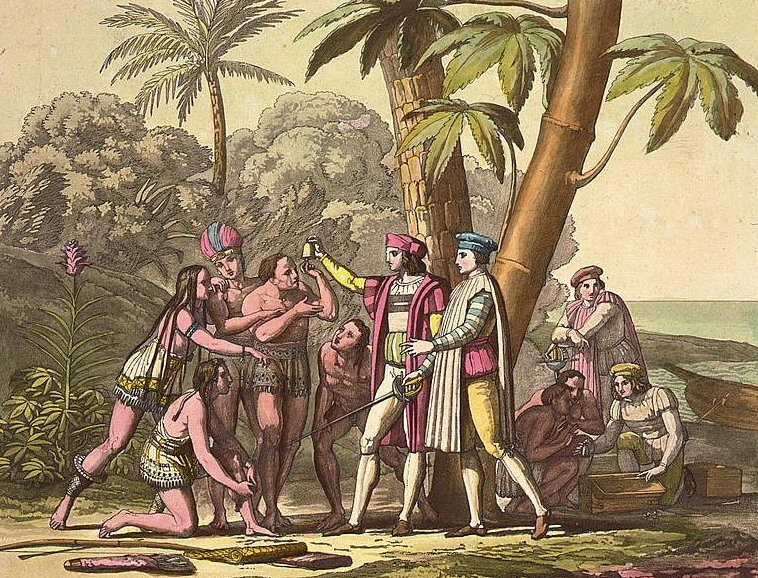
Dominican friar Antonio de Montesinos publicly condemns the abuse of Indigenous peoples in Hispaniola. His sermon marks one of the earliest moral attacks on colonial exploitation and deeply influences Bartolomé de las Casas.
1513 — Ponce de León Looks North
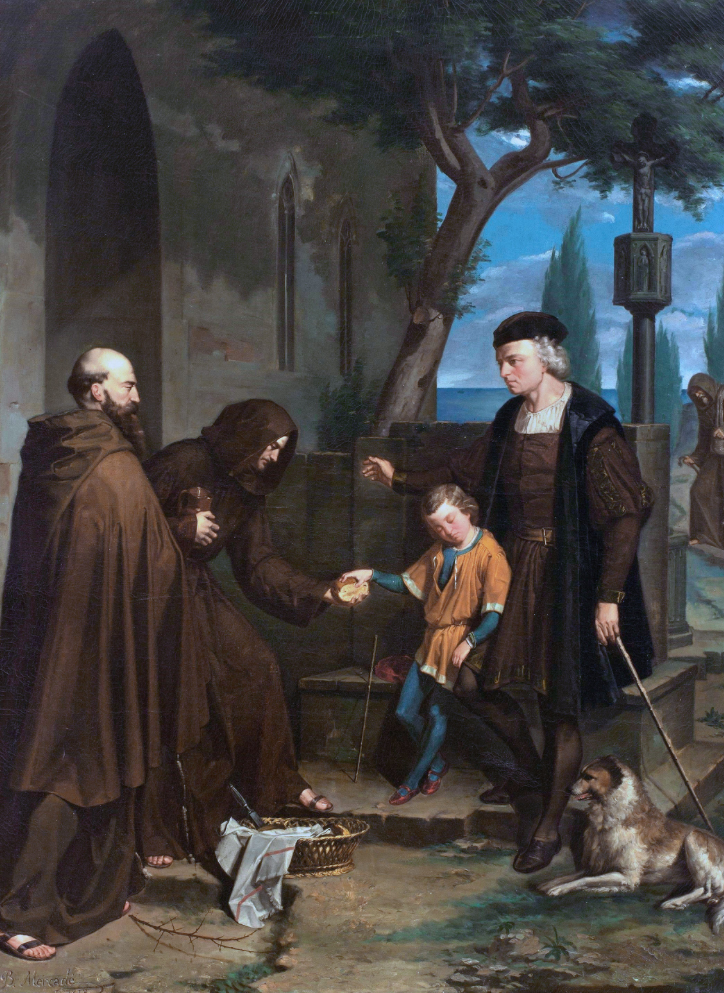
Juan Ponce de León had spent two decades at the center of Spain's Caribbean expansion. As a colonial administrator in Hispaniola and later governor of Puerto Rico, he witnessed the wealth flowing through the region, including the booming pearl trade of Cubagua. After losing political favor to Diego Columbus, he sought new opportunities beyond the established Caribbean sphere. In 1513, he sailed north and became the first documented European known to reach and describe the mainland of what is now the continental United States. During the voyage, he also documented the Gulf Stream, a powerful current that would become a principal route of Atlantic navigation and help connect the Caribbean, Europe, and North America for centuries to come.
1514 — Las Casas Turns Against the System
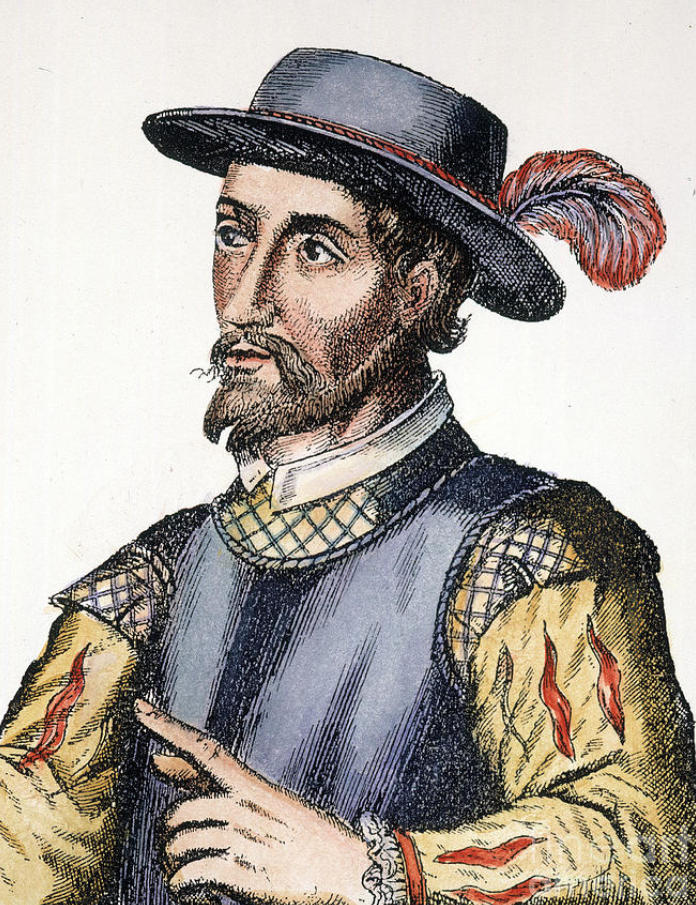
Bartolomé de las Casas renounces his encomienda and begins a lifelong campaign against Indigenous exploitation. His transformation was shaped by direct experience in the Caribbean and by personal familiarity with Indigenous people from an early age. The pearl fisheries later become one of his most powerful examples of colonial brutality.
1519–1520 — Rebellion on the Pearl Coast
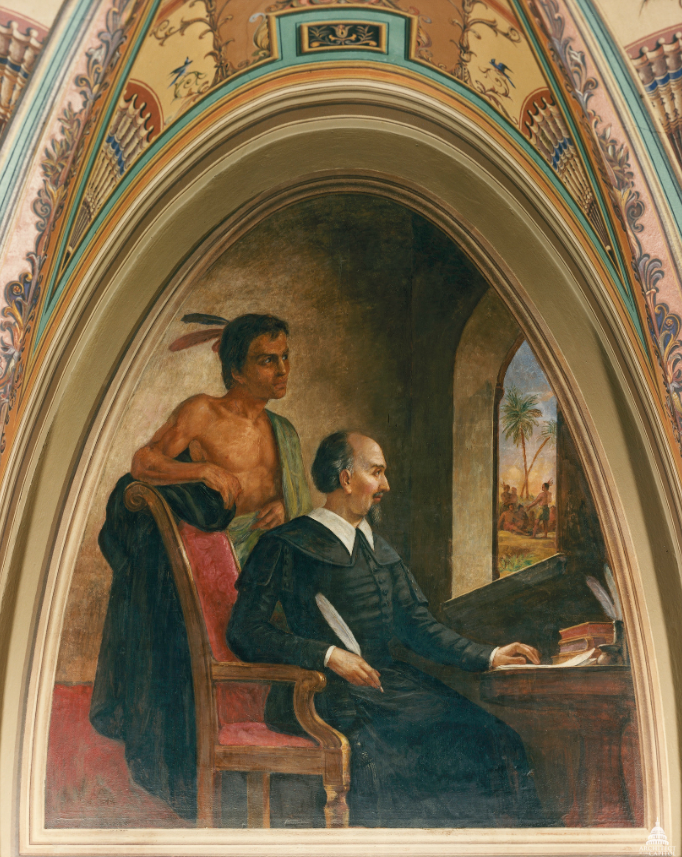
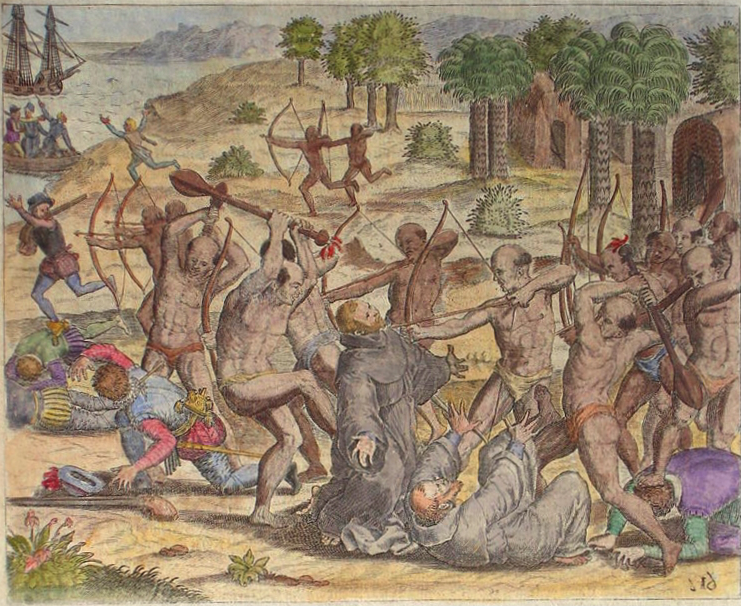
Spanish authorities attempt to impose harsher direct labor control over Cubagua. Indigenous communities on the island and mainland rise in rebellion, temporarily forcing the colonists to abandon the pearl settlement. The Crown responds not by ending the system, but by militarizing and rebuilding it.
1521 — Nueva Cádiz Begins to Rise
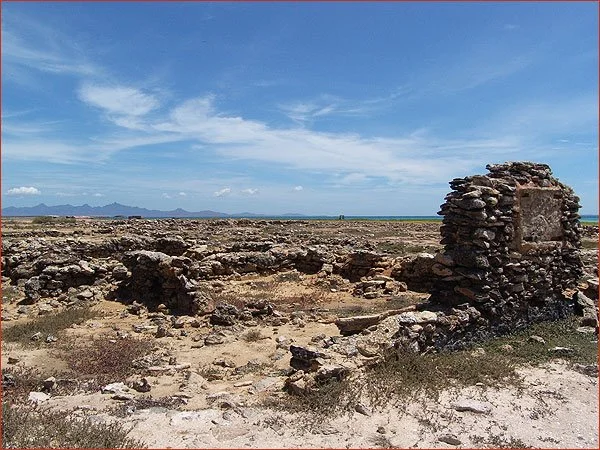
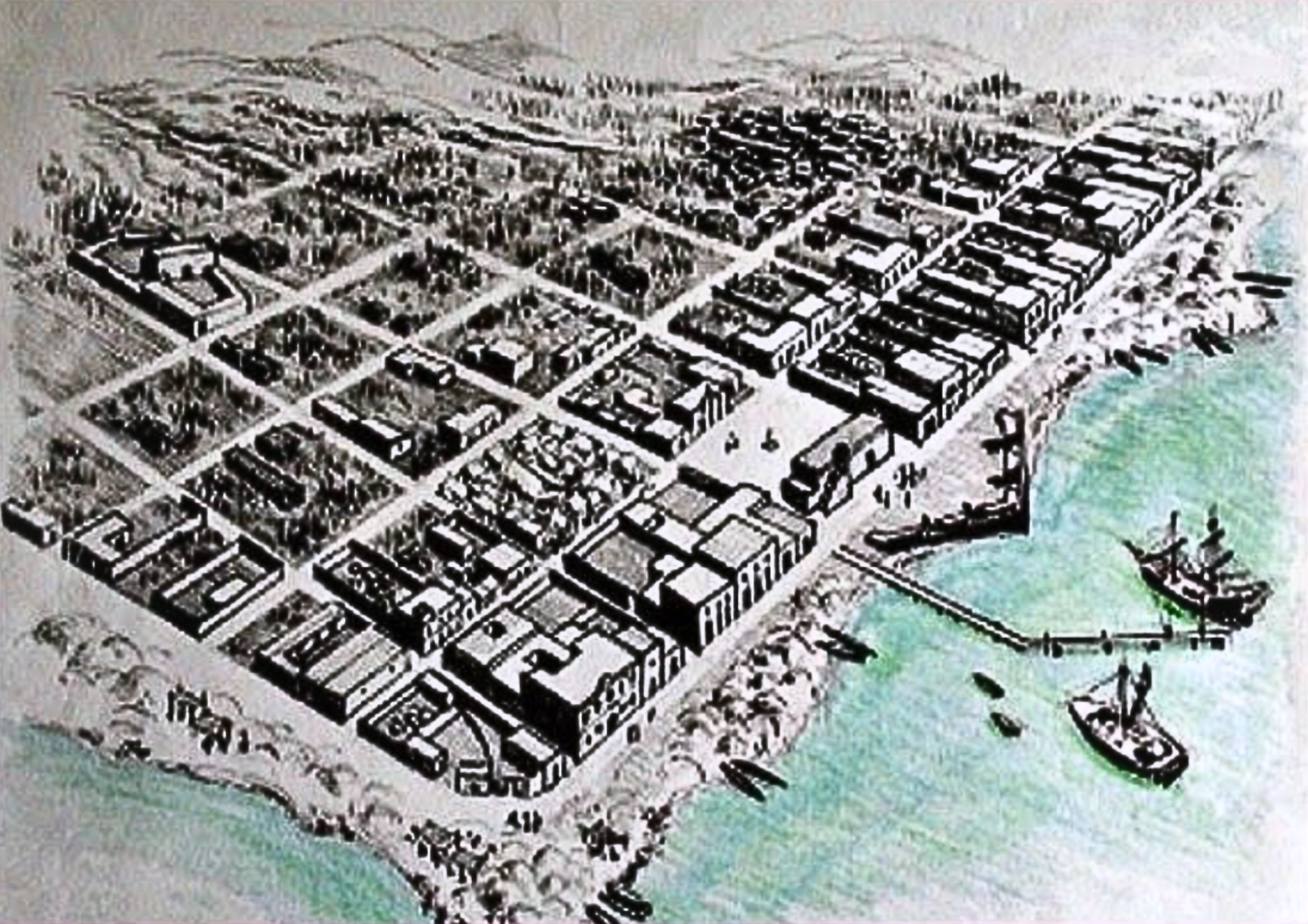
Cubagua is resettled and transformed from a seasonal extraction camp into a permanent colonial settlement. Mainland Cumaná becomes essential for water, food, and military support. The pearl economy now has an urban center.
1524 — Las Casas Witnesses the Pearl Coast
Independent archival evidence places Las Casas on the Pearl Coast. What he sees there strengthens the testimony he will later use against colonial abuses. The suffering of pearl divers becomes part of the moral record of empire.
1526 — Enslaved African Divers Arrive
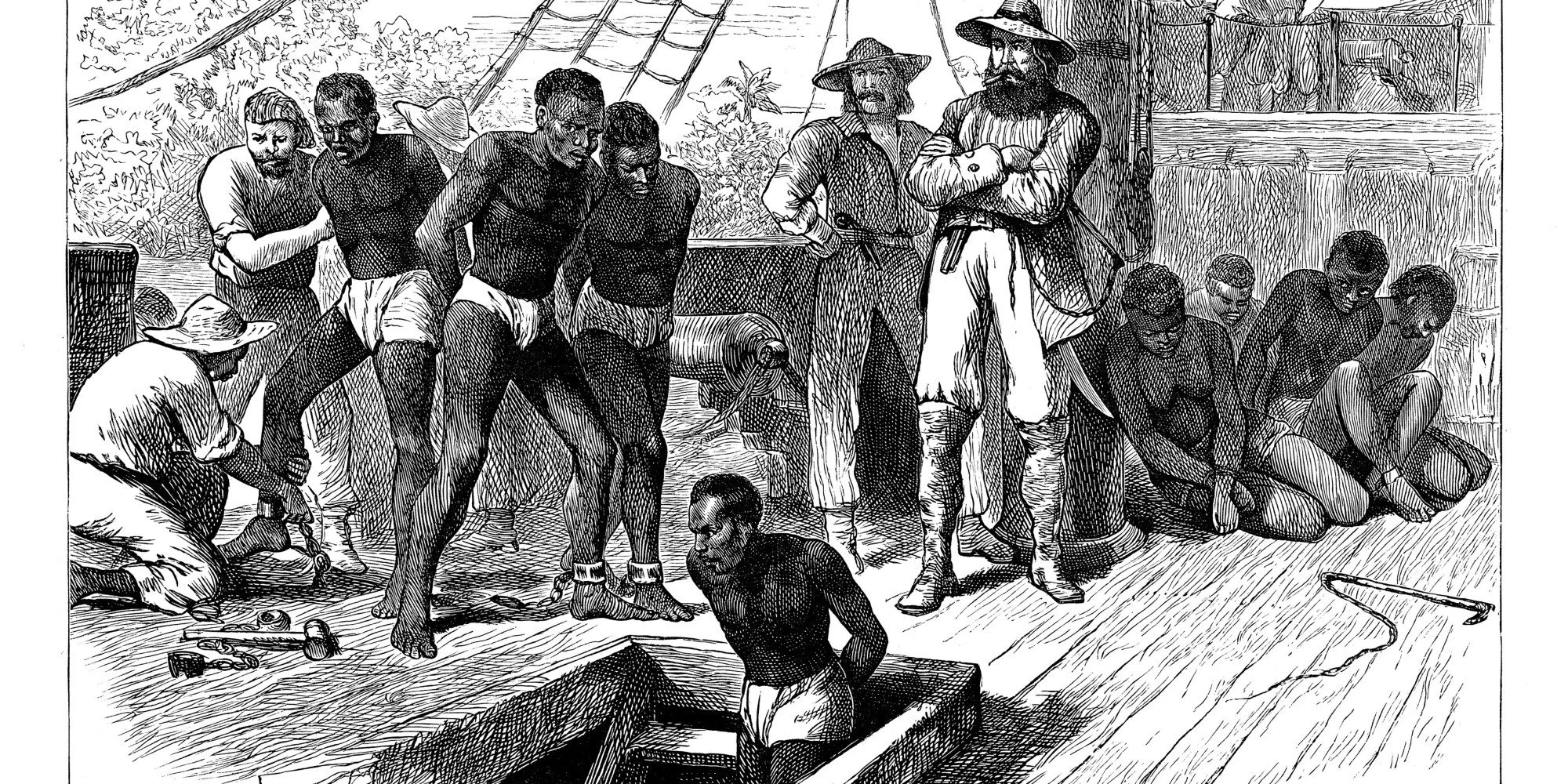
As Indigenous labor collapses, enslaved Africans are brought to Cubagua. Captives from Senegambia and other West African coastal regions are especially valued because many came from riverine and maritime cultures with strong diving traditions. Their price rises sharply because their bodies and skills are now tied directly to pearl production.
1527 — Peak Pearl Production
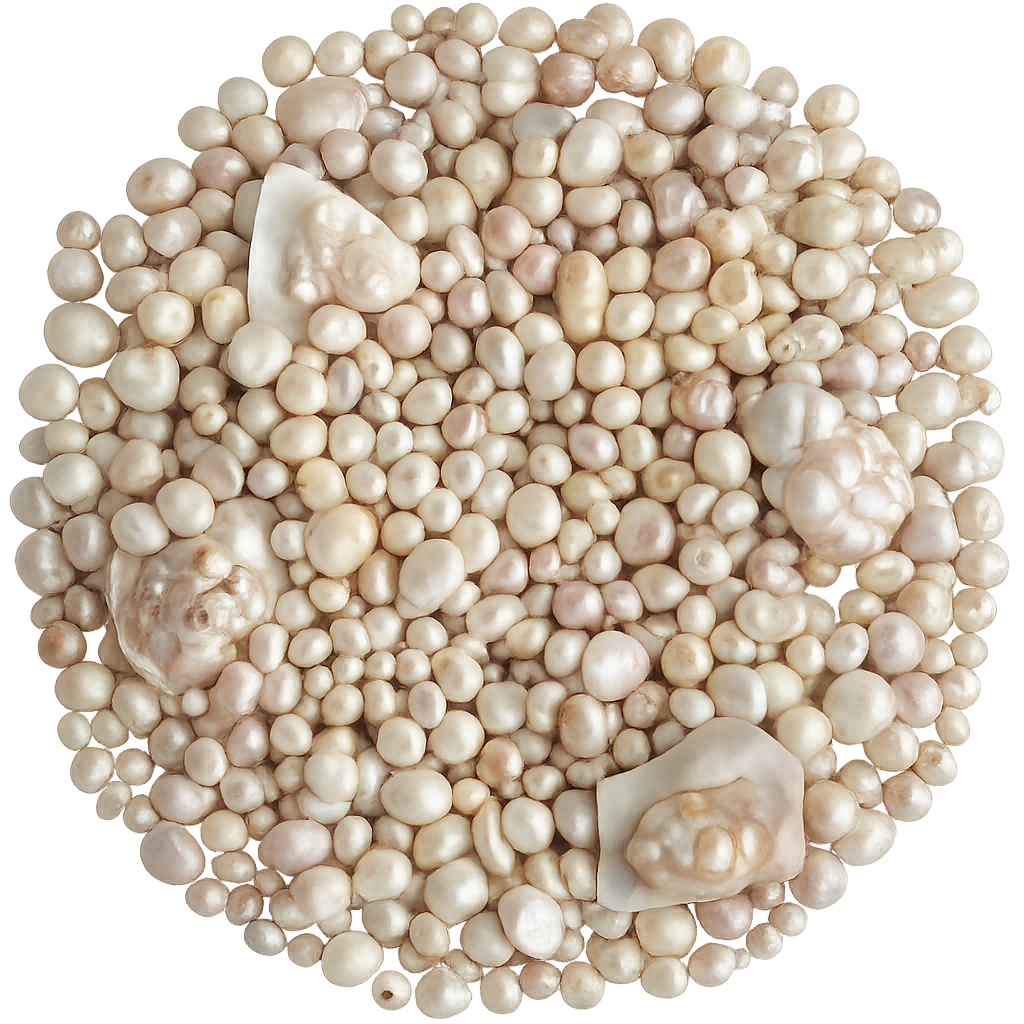
Drawing on the archival research of Enrique Otte, taxation records indicate that approximately 11,877 kilograms of pearls were officially declared through the quinto real system between 1513 and 1540. Because smuggling and underreporting were widespread, actual extraction was likely far greater. Cubagua stands at the center of one of the most profitable early economies in the Americas.
1528 — Nueva Cádiz Becomes a City
Charles V grants city status to Nueva Cádiz. Built on pearls, forced labor, and maritime trade, it becomes the first city in present-day Venezuela and one of the most consequential early urban centers of the Spanish Caribbean.
1531 — The Oyster Beds Begin to Fail
Decades of intensive harvesting exhaust the oyster beds around Cubagua. Production declines, and attention shifts toward new pearl grounds along the Colombian coast. The system survives, but Cubagua’s central role begins to collapse.

1537 — Indigenous Humanity Affirmed
Pope Paul III issues Sublimis Deus, declaring Indigenous peoples fully human and condemning their enslavement. The document reflects the growing moral pressure created by missionaries, reformers, and witnesses such as Las Casas.

1541 — Nueva Cádiz Is Destroyed
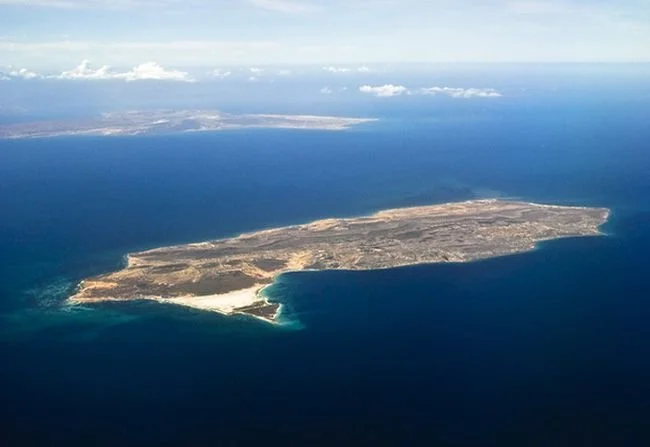
A catastrophic natural disaster devastates Cubagua. The remaining population abandons Nueva Cádiz. The city that rose from pearls disappears almost as quickly as it was built.
1542 — The New Laws
Charles V issues the New Laws of the Indies, one of the earliest major attempts by a European monarchy to limit Indigenous slavery and colonial abuse. Enforcement is uneven, but the legal and moral framework of empire has changed.
1550–1551 — The Valladolid Debate
Las Casas and Juan Ginés de Sepúlveda debate the morality of conquest before a royal commission. No binding verdict is issued, but the proceedings create a lasting public record of the moral challenge to empire.
1622 — The Santa Margarita
The Nuestra Señora de Santa Margarita sinks in a hurricane in the Florida Straits while carrying pearls from the Caribbean fisheries. Its cargo links the final echoes of the pearl economy to the waters of present-day America.