
The Pearls
Natural Saltwater Pearls from the Age of Columbus
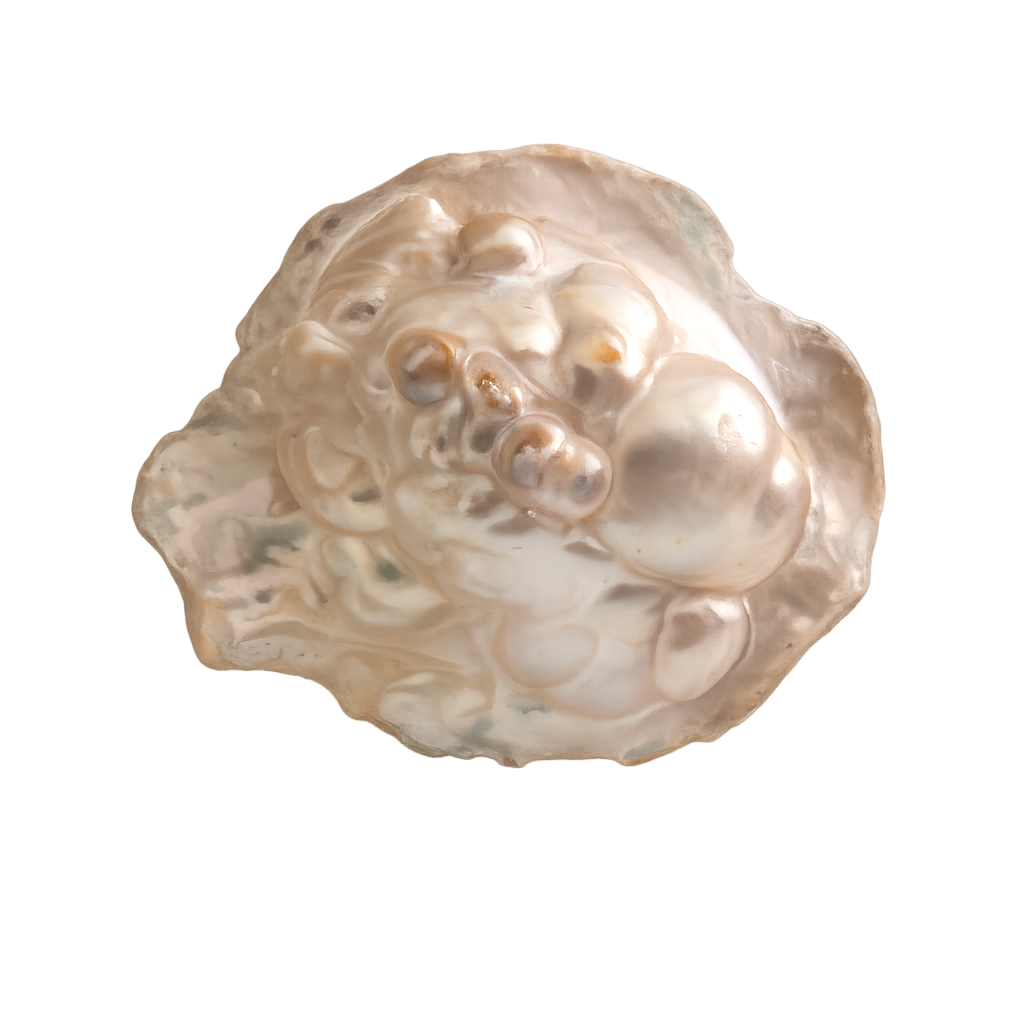
The Columbus Pearls are a rare assemblage of natural saltwater pearls connected to the early Caribbean pearl fisheries of the southern Caribbean region — among the first sources of wealth encountered by Europeans following Columbus’s third voyage in 1498.
They display a remarkable diversity of natural forms, nacre structures, surface characteristics, and coloration shaped by biological growth, marine conditions, and centuries of aging. Scientific examination has indicated that most pearls within the collection are associated with the Pinctada imbricata species complex — the historic pearl oyster of the Caribbean fisheries — while others show characteristics consistent with Pteria species.
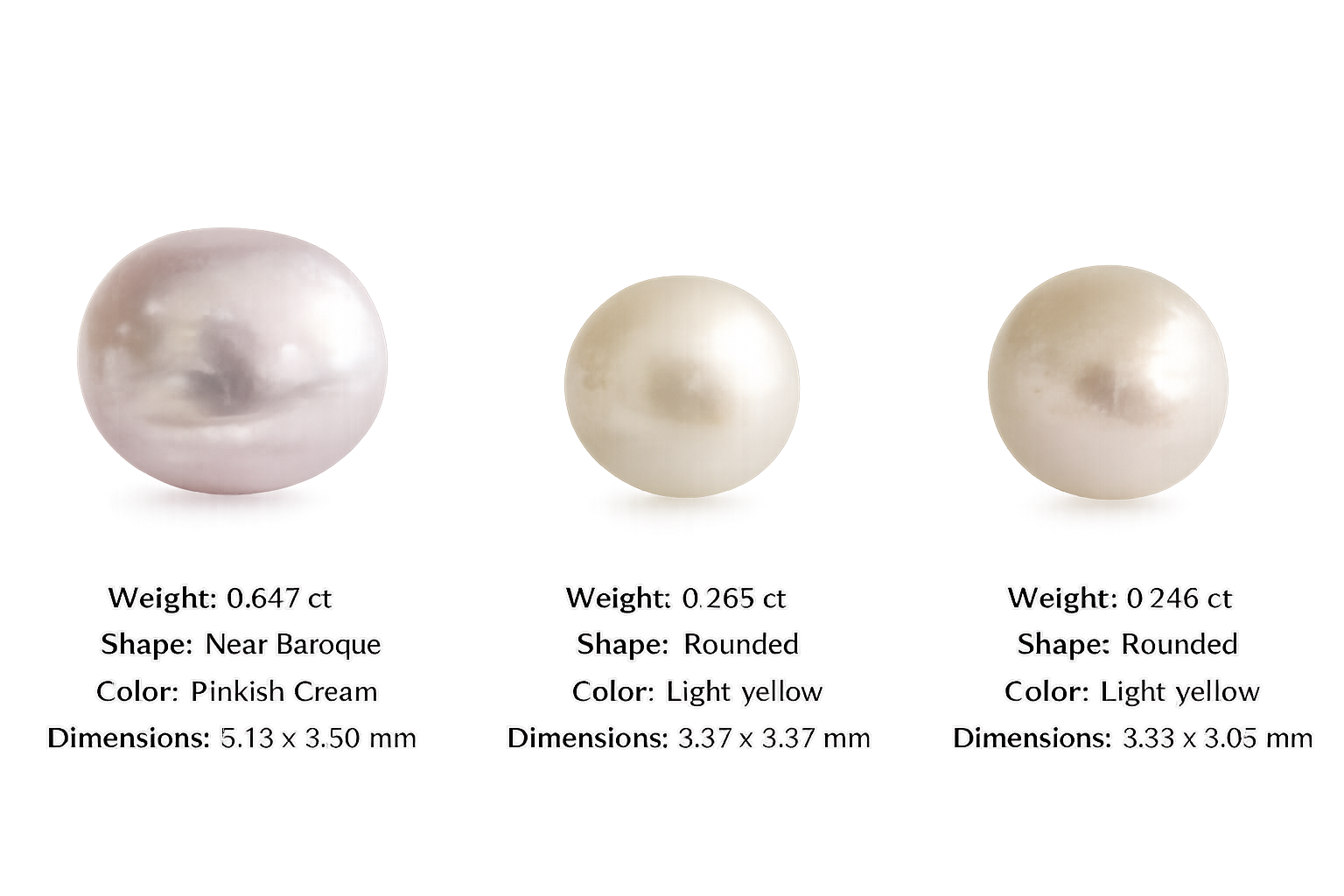
The group includes near-round, oval, button, drop, semi-baroque, baroque, blister-like, and highly irregular pearls formed naturally without human intervention. Some specimens display smooth surfaces and soft luster, while others reveal layered nacre growth, concentric formations, natural cavities, external calcifications, surface weathering, or multiple growth structures commonly observed in natural pearls.
Coloration varies considerably and includes white, silver-white, cream, light yellowish cream, ivory, bronze, gray, pinkish cream, and subtle rose, green, or bluish overtones. Many pearls display orient — the soft optical effect produced by overlapping nacre layers — while others exhibit muted surfaces associated with the natural decomposition of organic components over time. Some specimens also display red-brown staining and other age-related surface alterations identified during laboratory examination.
Several pearls preserve evidence of early drilling techniques and historical use, including irregular perforations and asymmetrical openings consistent with hand drilling methods employed centuries ago. Together, these variations provide insight into the biological diversity of Caribbean pearl-producing mollusks and the material realities of the early pearl fisheries of the Americas.
Through scientific analysis, radiocarbon dating, gemological research, archaeology, and historical investigation, the project explores the intersection of pearls, exploration, colonial expansion, labor, commerce, and the emergence of the Atlantic world.
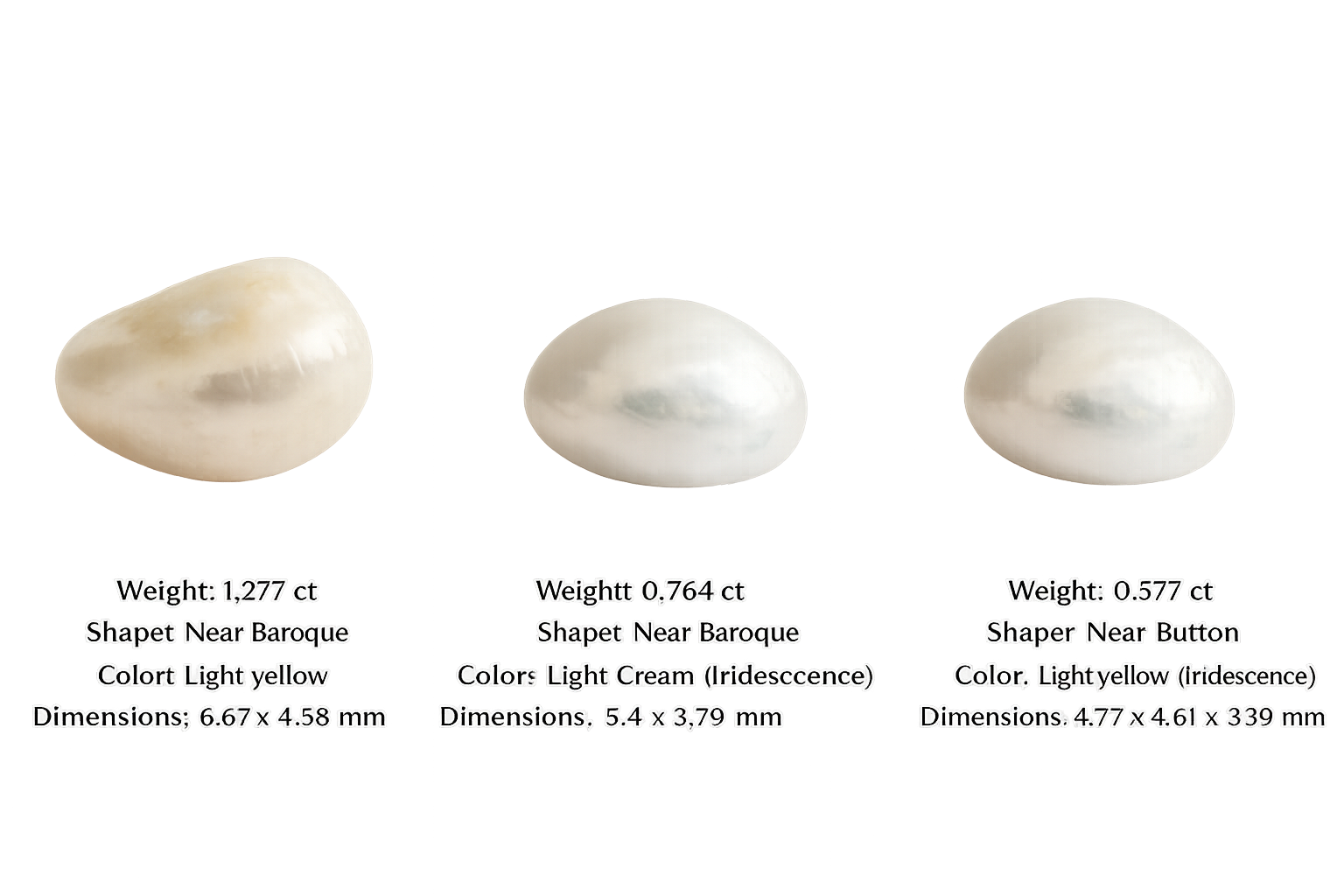
Pearl images shown for illustrative purposes only and are not to scale.
Pearl images shown for illustrative purposes only and are not to scale.
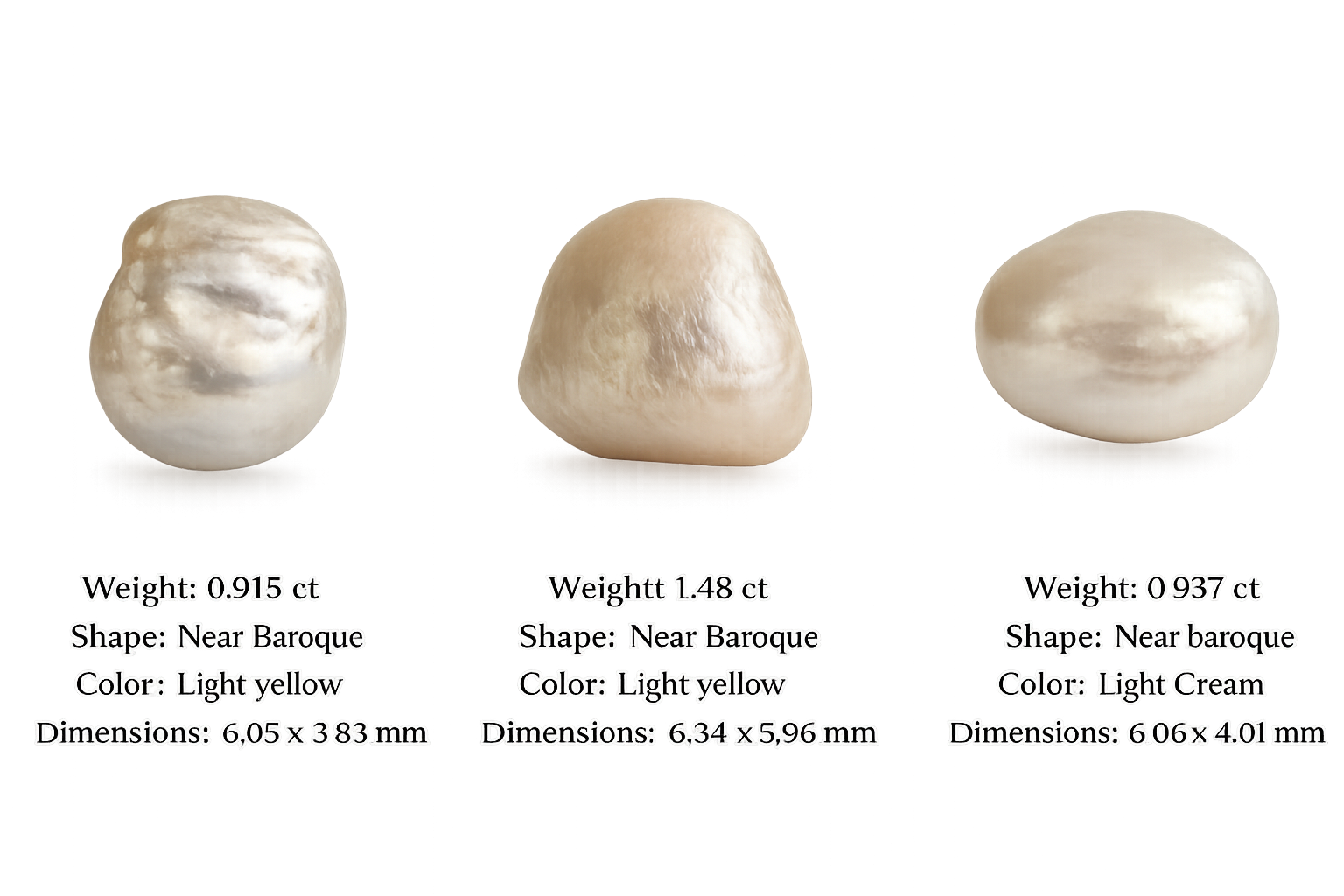
Pearl images shown for illustrative purposes only and are not to scale.
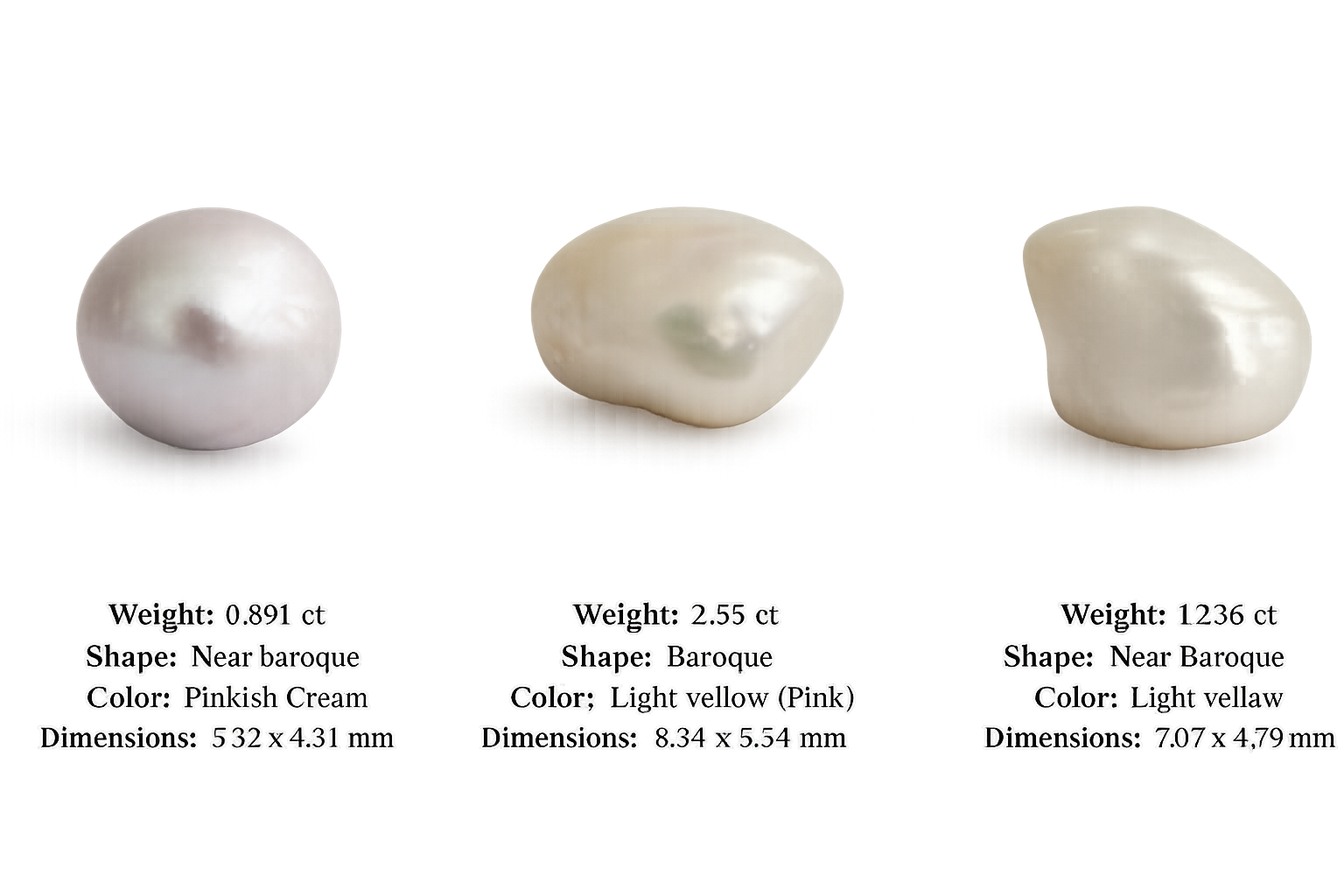
Pearl images shown for illustrative purposes only and are not to scale.
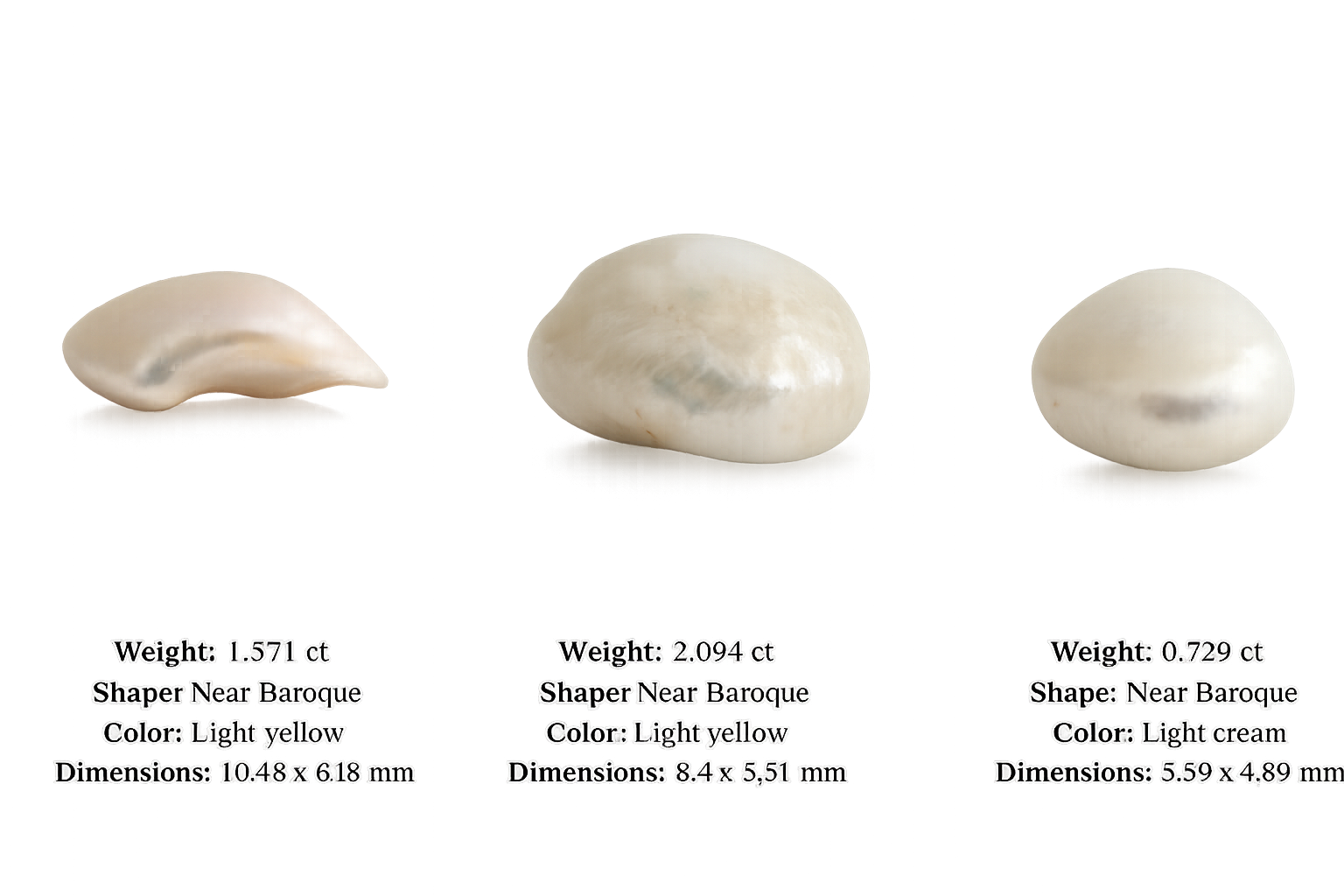
Pearl images shown for illustrative purposes only and are not to scale.
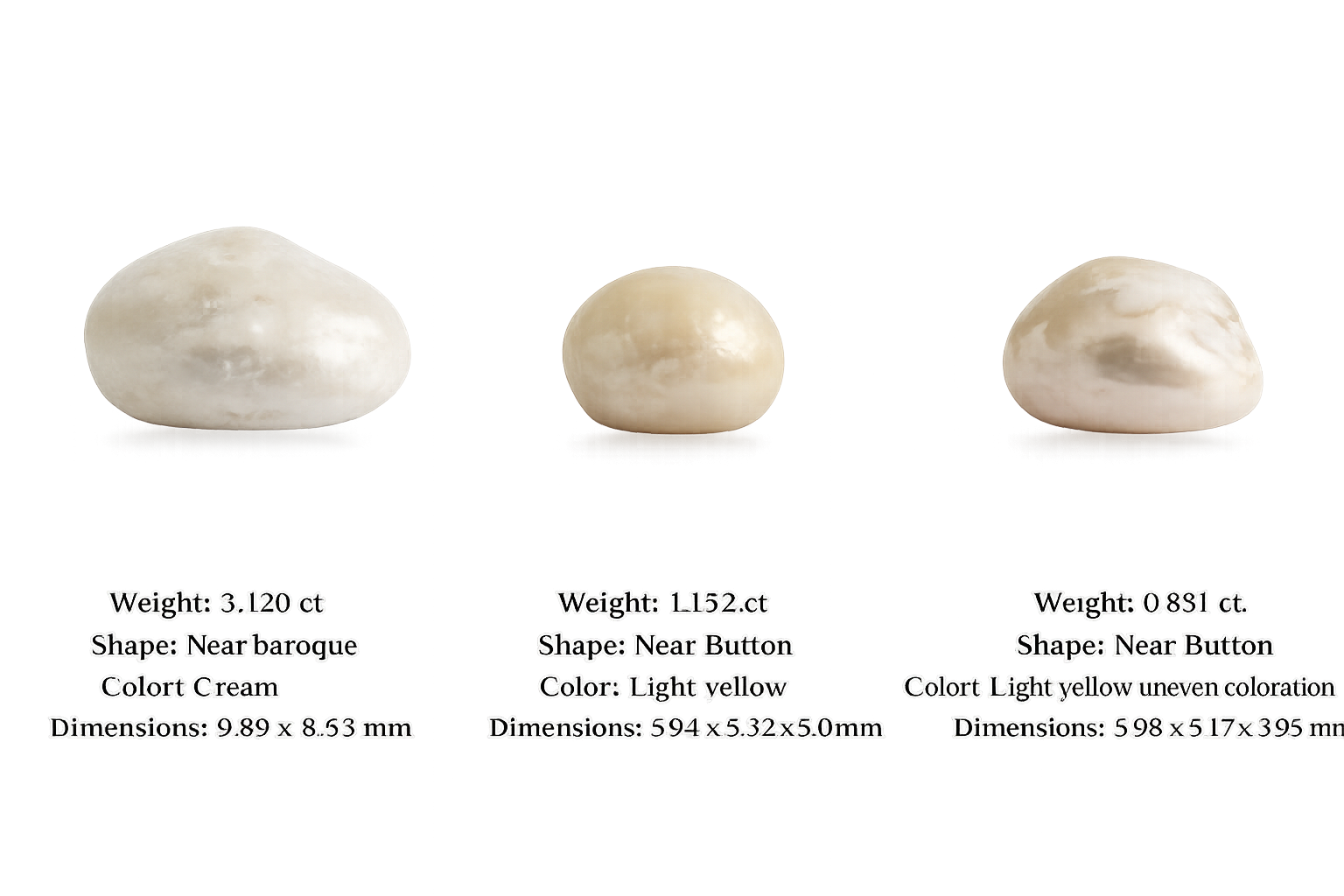
Pearl images shown for illustrative purposes only and are not to scale.
In 2017, extensive scientific analysis of selected pearls from the collection was conducted at DANAT in Bahrain under the supervision of Kenneth Scarratt and the DANAT scientific team. Established under the patronage and initiative of HRH Prince Salman bin Hamad bin Isa Al Khalifa, Crown Prince of the Kingdom of Bahrain, DANAT provided advanced laboratory facilities, imaging technologies, and multidisciplinary expertise that contributed significantly to the ongoing study of the Columbus Pearls.
The Necklace
In 1498, during Christopher Columbus’s third voyage into the Gulf of Paria, Spanish chroniclers recorded one of the earliest European descriptions of the Indigenous pearl adornments of the Caribbean. Gonzalo Fernández de Oviedo later recounted how the sailors encountered “una mujer que tenía al cuello gran cantidad de aljófar y perlas” — “a woman who wore around her neck a great quantity of seed pearls and pearls.” He further described how one of the sailors broke a decorated Valencian earthenware plate into fragments and exchanged the shards “por ciertos hilos de aquel aljófar grueso” — “for certain strings of those large pearls.” The account offers a rare glimpse into the sophisticated use, exchange, and cultural value of drilled pearls among the Indigenous peoples of the Pearl Coast at the very beginning of European contact.
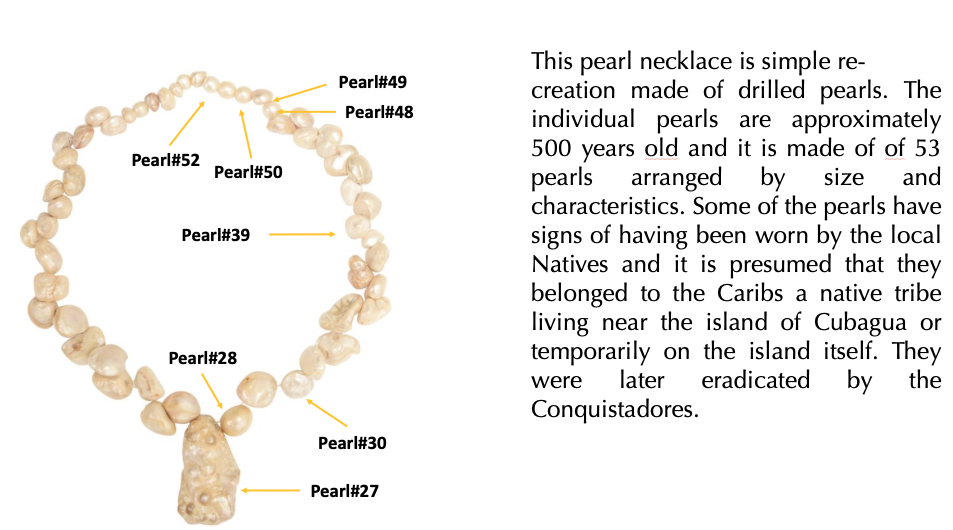
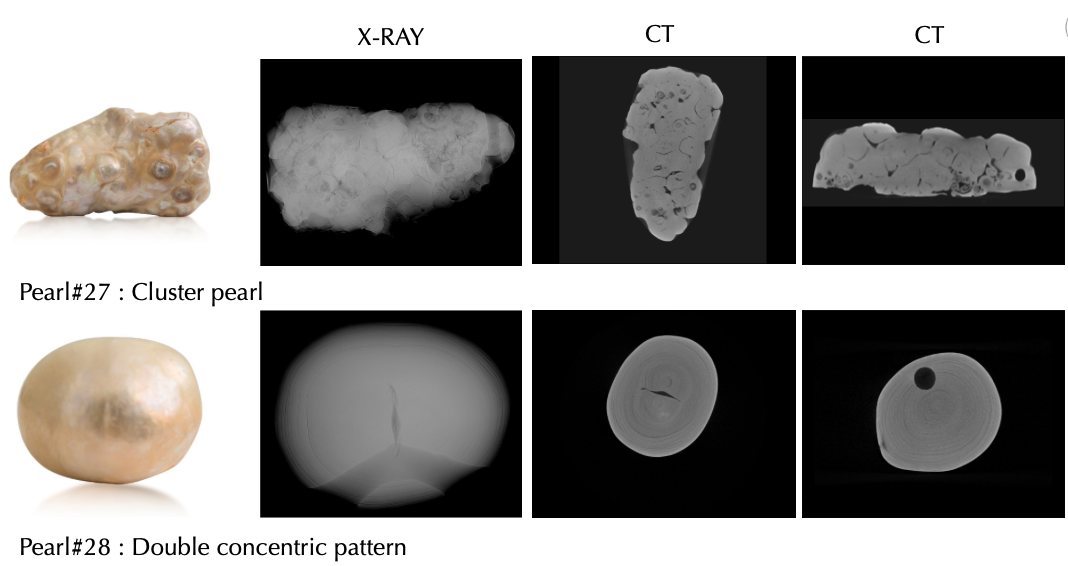
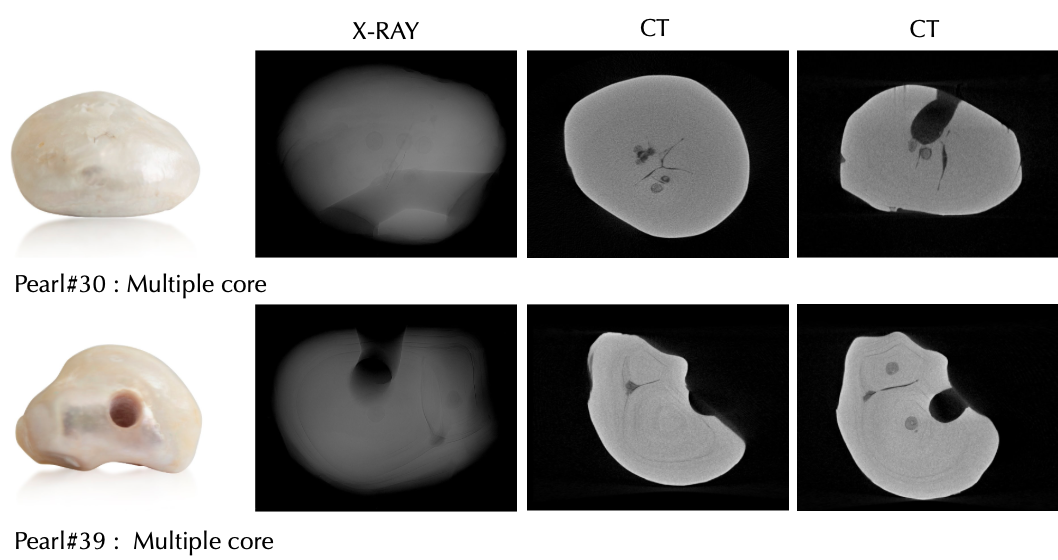
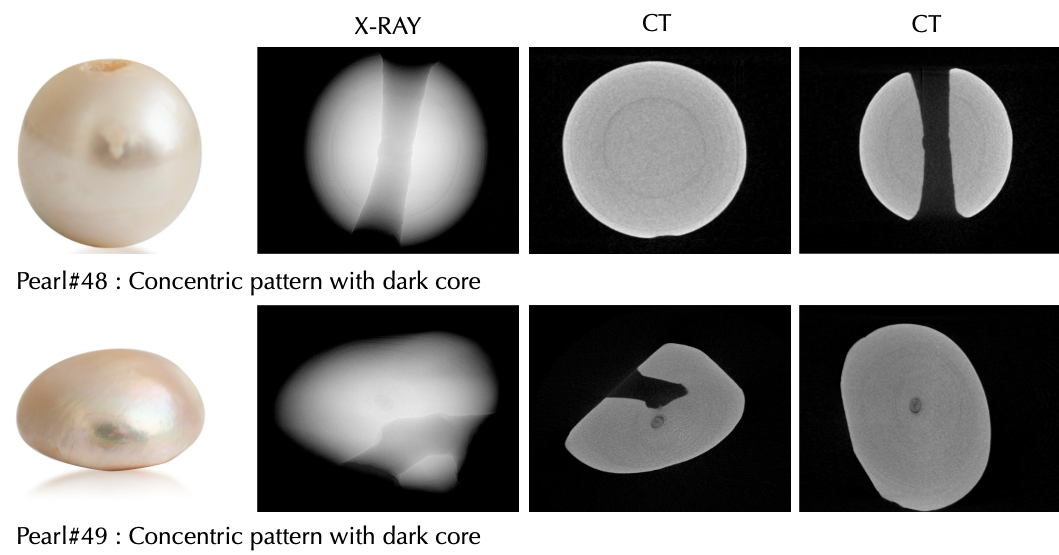
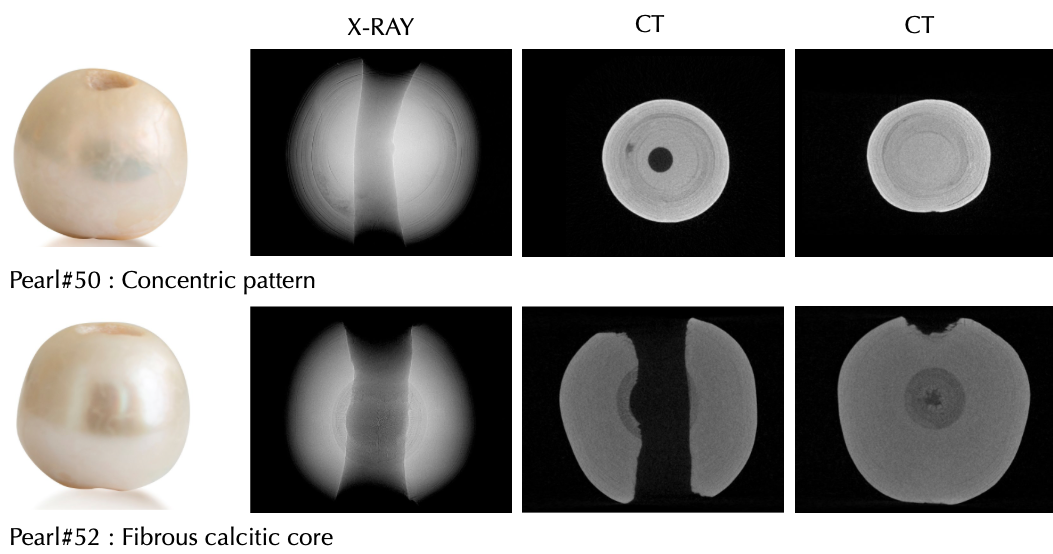
In 2017, while serving as CEO of DANAT in Bahrain, Kenneth Scarratt and his scientific team analyzed a necklace composed of drilled pearls from the Columbus Pearls collection. The necklace, strung with pearls arranged by size and characteristics, was studied using advanced X-ray and CT imaging techniques that revealed a remarkable variety of internal structures, growth patterns, drill perforations, and natural formations. The analyses further demonstrated the extraordinary diversity and complexity of the pearls associated with the early Caribbean fisheries.
Images shown for reference only. Pearls are not displayed to scale.
Sources: Gonzalo Fernández de Oviedo y Valdés, Historia General y Natural de las Indias (Book XIX); Cristóbal Colón, Textos y Documentos Completos, ed. Consuelo Varela; Fidel Rodríguez Velásquez, Enredados por las perlas; DANAT research archives and imaging studies conducted under the supervision of Kenneth Scarratt.
CREDITS
Scientific imaging, spectroscopy, CT analysis, and laboratory research conducted at DANAT, Bahrain, under the supervision of Kenneth Scarratt and the DANAT scientific team including Abeer Alalawi, Dr. Stefanos Karampelas, Dr. Supharart Sangsawong, Fatima Al-Mahmood, Zainab Rajab, Zainab Ali, Latifa Flamarzi, Bader Alshaybani, Hassan Abdulla, Gadeer Abbdali, and others.