Science & Authentication
Gemological Research, Radiocarbon Dating, and Historical Investigation
The Columbus Pearls have been examined through a combination of scientific testing, gemological analysis, radiocarbon dating, and historical research conducted by internationally recognized laboratories and specialists. Together, these investigations contribute to a broader understanding of the pearls’ age, natural origin, physical structure, and historical context within the early Caribbean pearl trade.

Dating the Pearls
Natural pearls are among the most difficult gemological materials to date accurately due to their organic composition and long exposure to marine environments. Because radiocarbon dating requires the extraction and analysis of a very small amount of nacre material, only selected samples from the broader assemblage were chosen for testing.
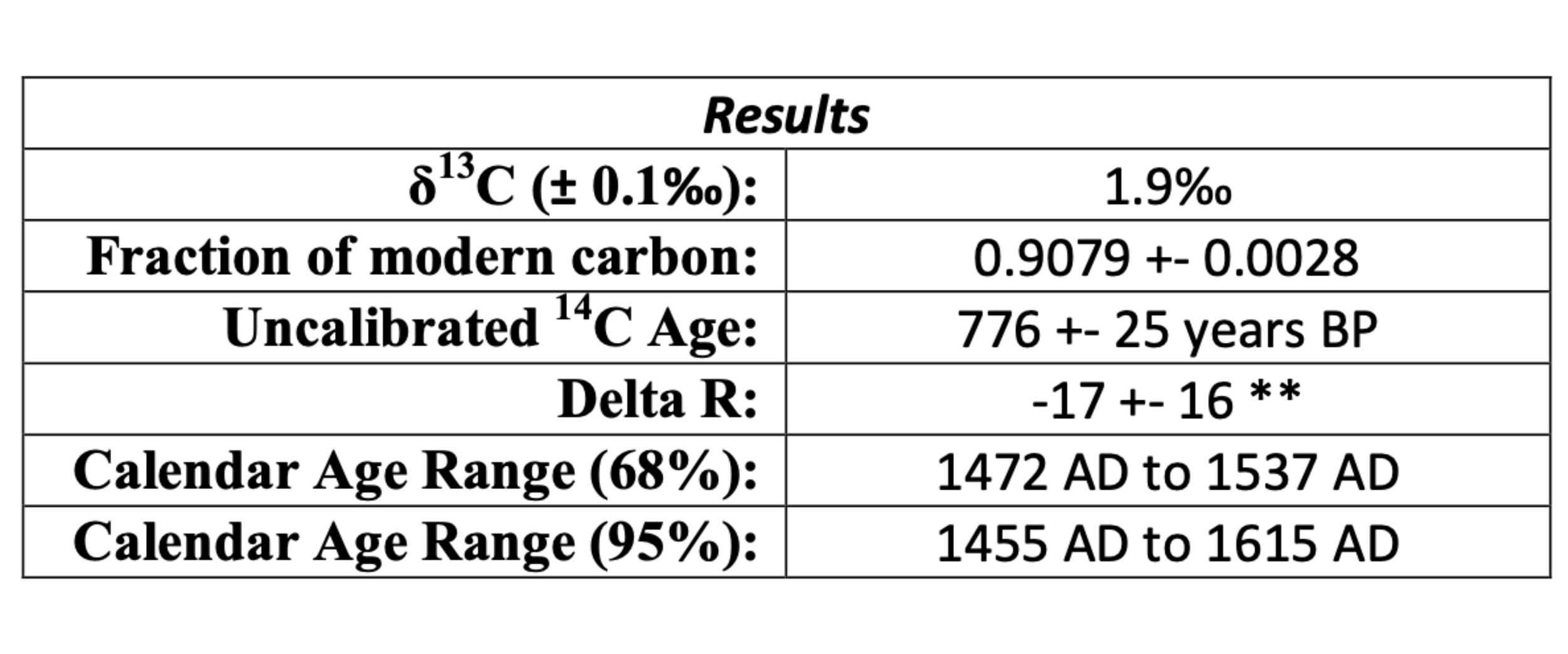
These samples underwent radiocarbon dating through laboratories specializing in Accelerator Mass Spectrometry (AMS) analysis. The studies produced calibrated date ranges broadly consistent with the late pre-Columbian and early colonial periods of the Caribbean. Researchers also applied marine reservoir corrections, an important factor in the dating of marine organisms, in order to improve chronological accuracy.
Institutions Involved
University of Arizona
University of Tokyo
Gübelin Gem Lab
Gemological Institute of America
The resulting data contributed to a growing body of scientific evidence suggesting that at least part of the collection may originate from the early period of European expansion into the Americas and the historic Caribbean pearl fisheries.
The analyzed pearl samples produced a calibrated radiocarbon date range with a 68.2% probability between 1472 and 1537 cal AD, and a broader 95.4% probability range between 1455 and 1595 cal AD, with a small additional probability extending to 1615 cal AD after marine reservoir correction. These ranges place the sample within the period of early European expansion into the Caribbean and the rise of the historic pearl fisheries associated with Cubagua and the Pearl Coast.
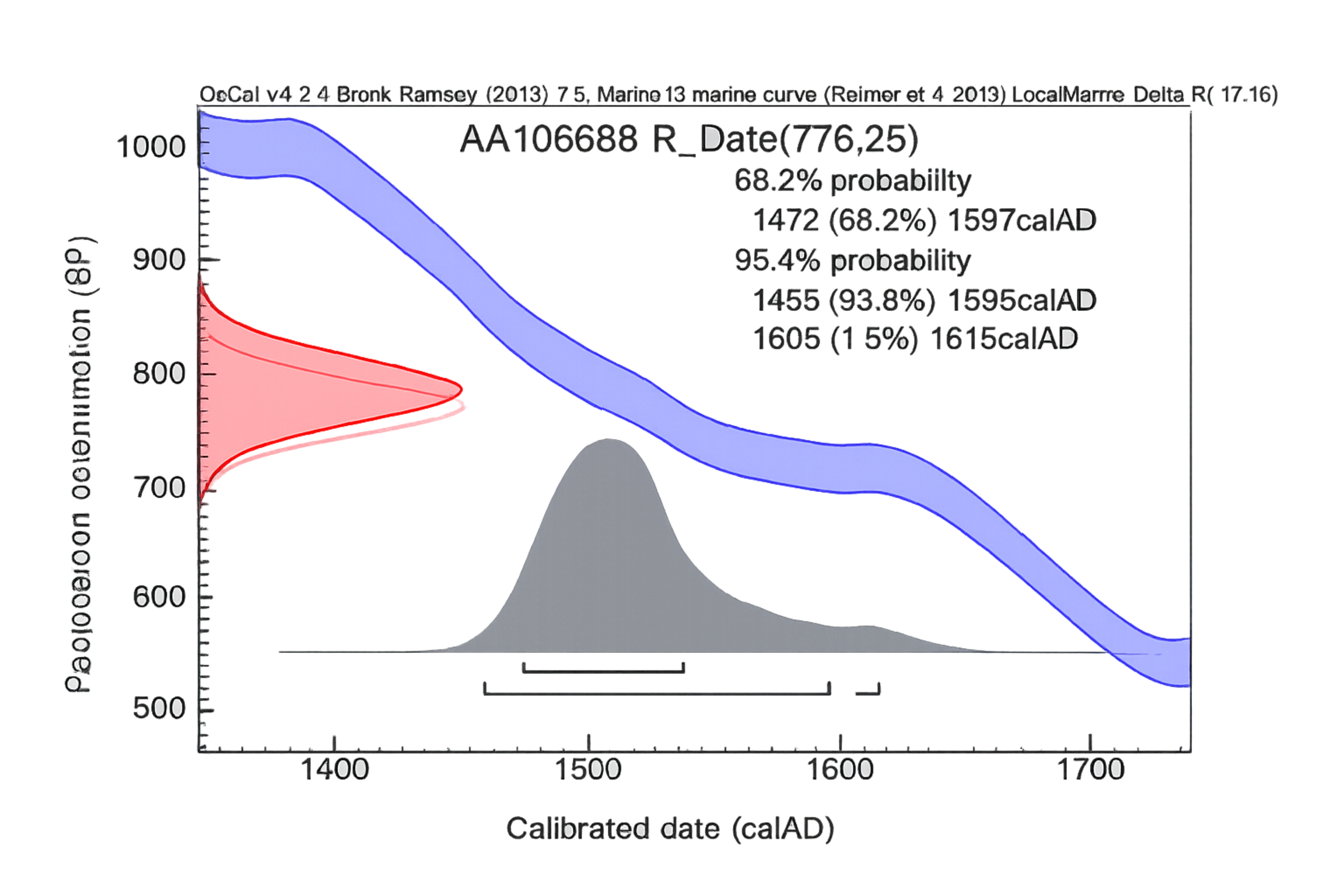
Radiocarbon calibration data from a selected pearl sample analyzed through Accelerator Mass Spectrometry (AMS) testing using marine reservoir correction.
Gemological Analysis
Following the radiocarbon studies, selected pearls underwent extensive gemological examination aimed at identifying their structure, composition, and biological origin. Researchers analyzed internal growth features, nacre structure, luminescence, surface characteristics, fluorescence reactions, and drilling patterns commonly associated with natural saltwater pearls.
The studies indicated that most of the examined specimens are consistent with species within the Pinctada imbricata complex, historically associated with the Caribbean pearl fisheries. Additional samples were identified as belonging to Pteria species. Analytical data further confirmed the natural saltwater origin of the pearls and documented structural characteristics consistent with naturally formed pearls rather than modern cultured specimens.
Together, the radiocarbon analyses, imaging techniques, fluorescence studies, and gemological examinations contributed to a broader scientific understanding of the pearls’ physical characteristics, chronology, and historical context.
DANAT & Kenneth Scarratt
The gemological examination of selected pearls from the collection was conducted at DANAT — the Bahrain Institute for Pearls and Gemstones — under the direct supervision of Kenneth Scarratt, one of the world's foremost authorities on natural pearl identification and gemological research. Established under the patronage and initiative of HRH Prince Salman bin Hamad bin Isa Al Khalifa, Crown Prince of the Kingdom of Bahrain, DANAT provided the advanced laboratory infrastructure, imaging technologies, and multidisciplinary scientific expertise through which the analytical work described in this section was carried out. The X-ray microradiography, X-ray fluorescence, DiamondView imaging, UV fluorescence, and surface photomicrography studies presented below were all conducted at DANAT's facilities and represent the most comprehensive gemological investigation the assemblage has undergone.
X-ray Microradiography
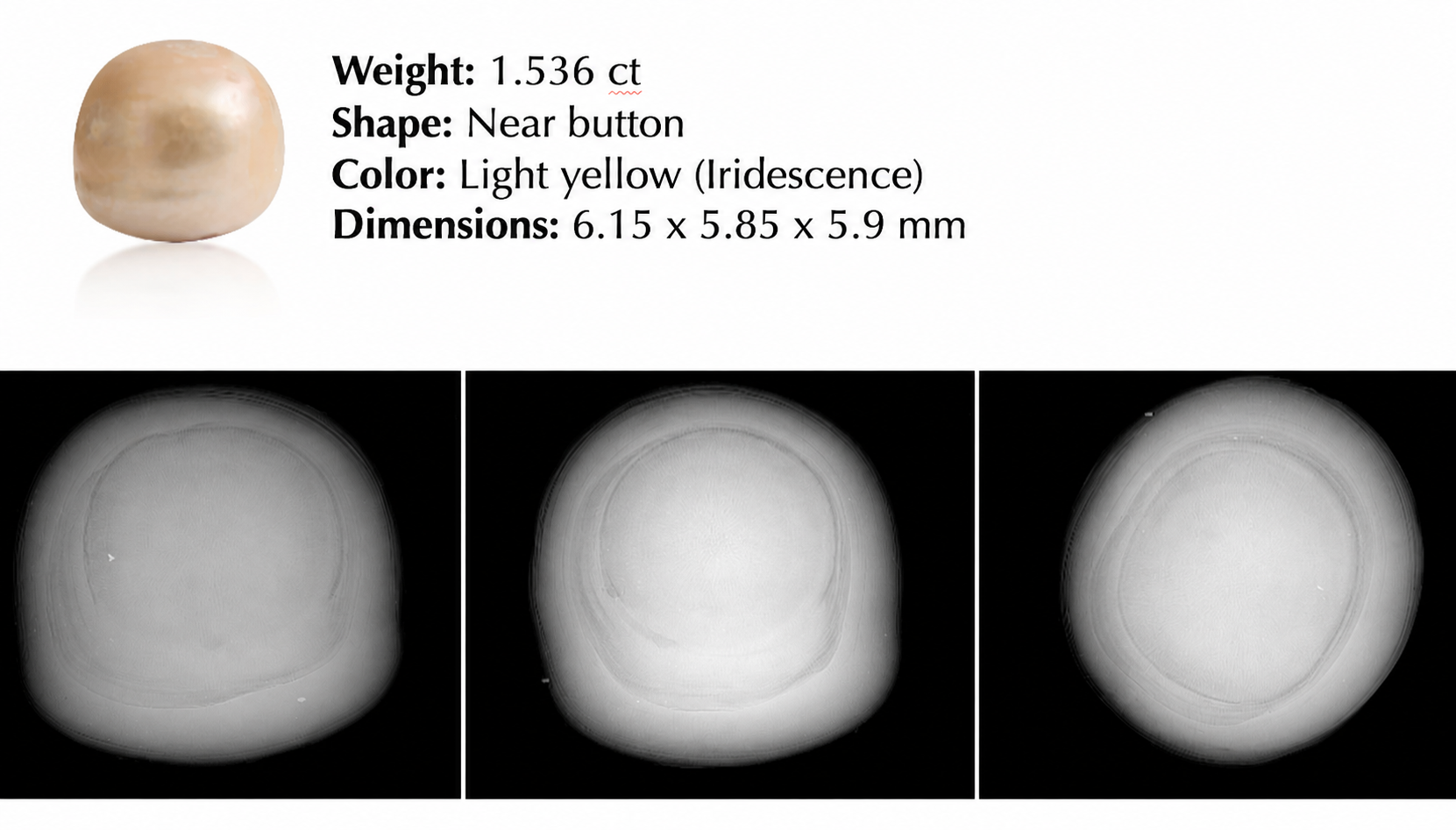
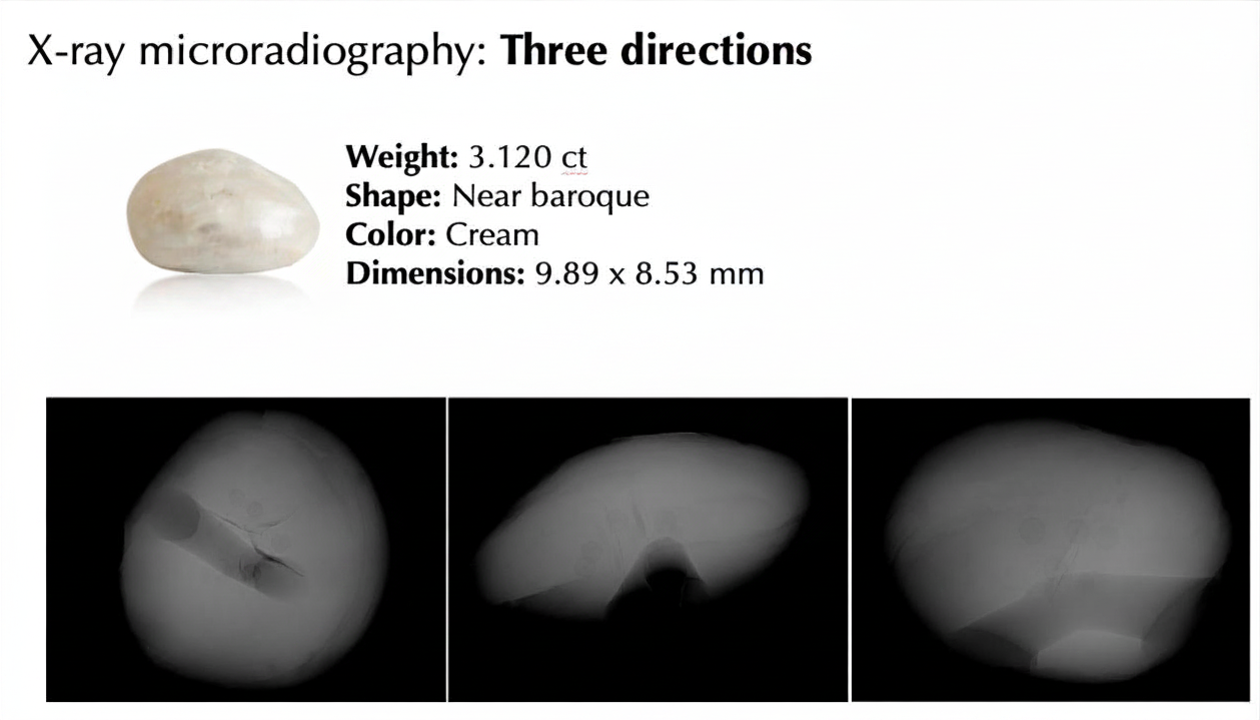
In the image below, X-ray microradiography of a natural saltwater pearl reveals multiple concentric layers of nacre formed through natural growth over time. The pearl, weighing 3.120 carats and classified as near baroque in shape, displays internal structural features consistent with naturally formed pearls rather than cultured specimens.
The radiographic images also show angled drill perforations penetrating the pearl from different directions, a characteristic observed in several pearls within the collection. These internal views provide valuable information about nacre structure, growth patterns, drilling orientation, and the pearl’s overall formation history while allowing researchers to examine the specimen non-destructively.
Photo and study courtesy of DANAT.
X-ray fluorescence
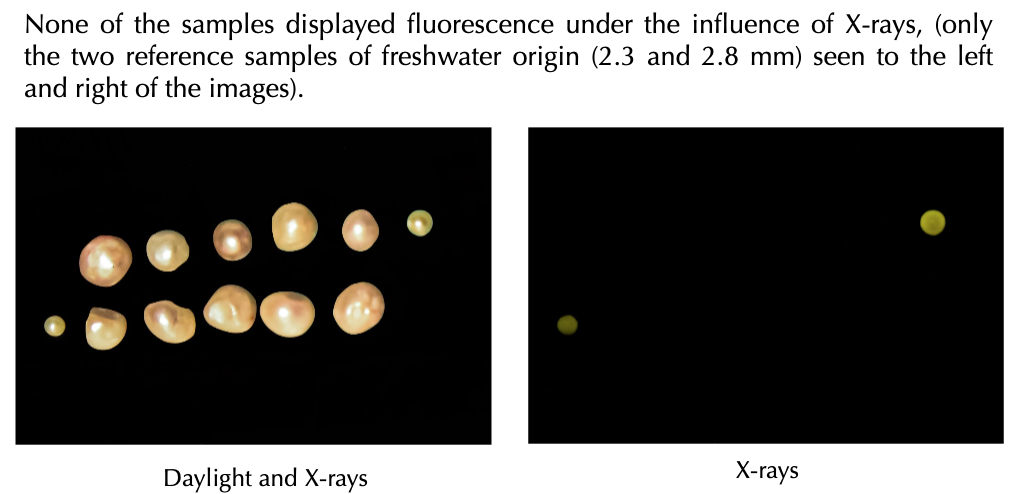
X-ray fluorescence testing was used to observe the reaction of the pearls under exposure to X-radiation. None of the examined pearls from the Columbus Pearls assemblage displayed fluorescence, while the two freshwater reference specimens positioned at the sides of the images exhibited visible luminescence, demonstrating a contrasting response under the same conditions.
Images courtest of DANAT.
DiamondView Imaging
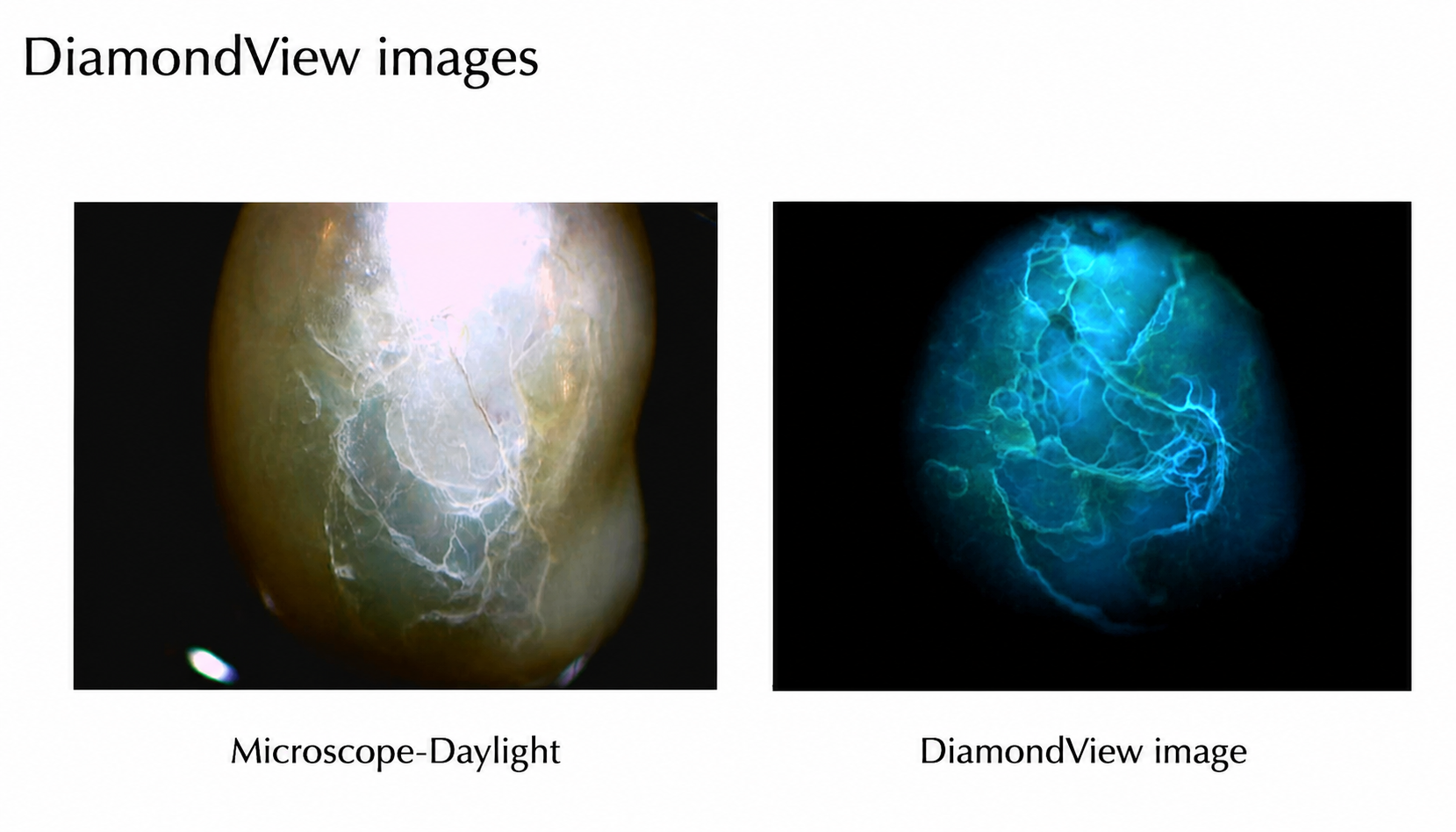
In the image below, the pearl is shown under microscope daylight and DiamondView fluorescence imaging. DiamondView uses short-wave ultraviolet light to excite fluorescence, helping researchers observe surface reactions, growth-related features, and differences in nacreous material. In pearl examination, this technique can help reveal visual characteristics that may not be apparent under normal lighting.
Images courtesy of DANAT.
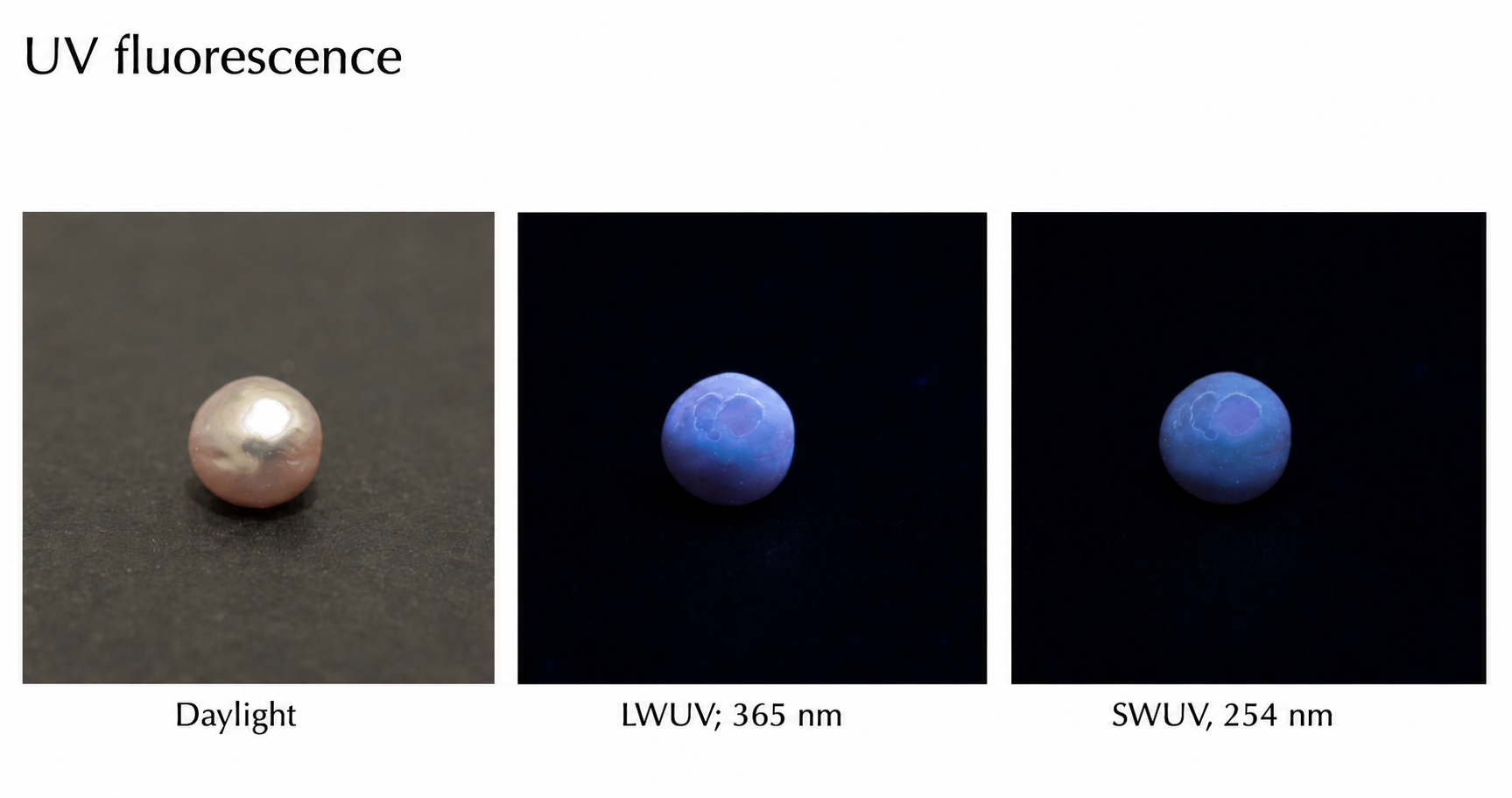
UV Fluorescence
In the image below, the pearl is shown under daylight, long-wave ultraviolet light (LWUV, 365 nm), and short-wave ultraviolet light (SWUV, 254 nm). In gemological testing, UV fluorescence is used to observe how pearl nacre reacts under different wavelengths of ultraviolet light. These reactions can help researchers compare surface features, fluorescence color, intensity, and distribution, and may also assist in identifying treatments or optical brightening.
Images courtesy of DANAT.
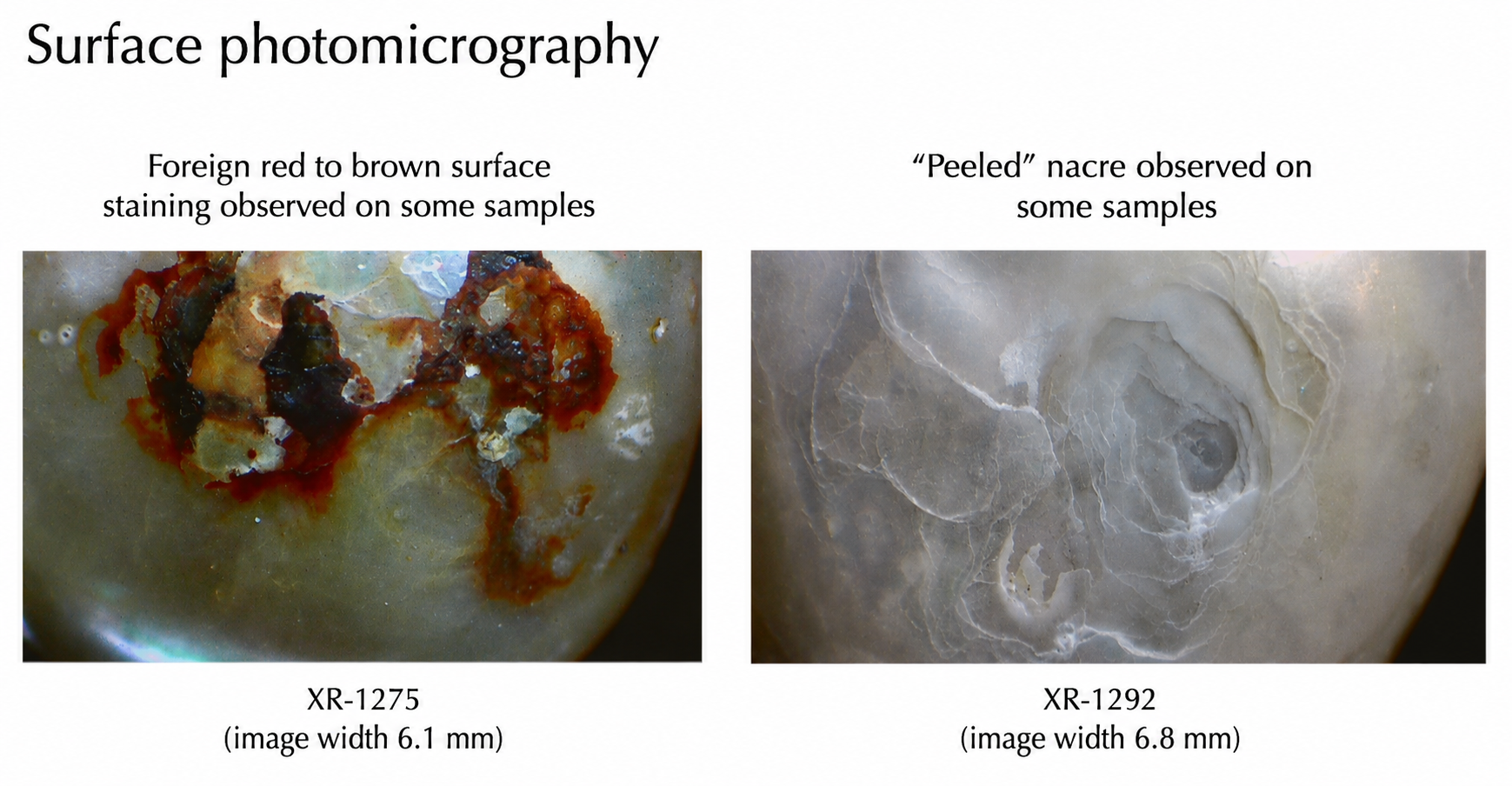
Surface photomicrography
Surface photomicrography allows microscopic examination of the external features and preservation state of natural pearls. These high-magnification images document surface characteristics such as staining, nacre deterioration, growth textures, and wear patterns that contribute to the broader gemological and scientific study of the Columbus Pearls.
Images courtesy of DANAT
Scientific Findings
The combined scientific and gemological investigations conducted on selected pearls from the collection revealed a range of characteristics consistent with natural saltwater pearls of significant age. Radiographic imaging, fluorescence studies, microscopy, and spectroscopic analyses documented layered nacre formation, natural internal structures, surface features, and drilling characteristics associated with historically worked natural pearls.
Several analyzed specimens were identified primarily as belonging to species within the Pinctada imbricata complex, historically linked to the Caribbean pearl fisheries, while additional samples were associated with Pteria species. The analytical results also supported the pearls’ natural saltwater origin and provided further insight into their formation, preservation, and long-term aging.
Radiocarbon dating performed on selected samples produced calibrated ranges broadly corresponding to the late pre-Columbian and early colonial periods of the Caribbean, contributing to the broader historical and scientific investigation surrounding the origins and context of the collection.
Ongoing Research
Scientific and historical research surrounding the Columbus Pearls remains ongoing. Continued archival investigation, comparative analysis, and interdisciplinary study continue to contribute to a broader understanding of the pearls, the early Caribbean pearl fisheries, and the historical networks connected to the rise of the Atlantic world.
The project brings together elements of gemology, archaeology, history, and scientific analysis in an effort to preserve and better understand one of the earliest known chapters of pearl exploitation and exchange in the Americas.
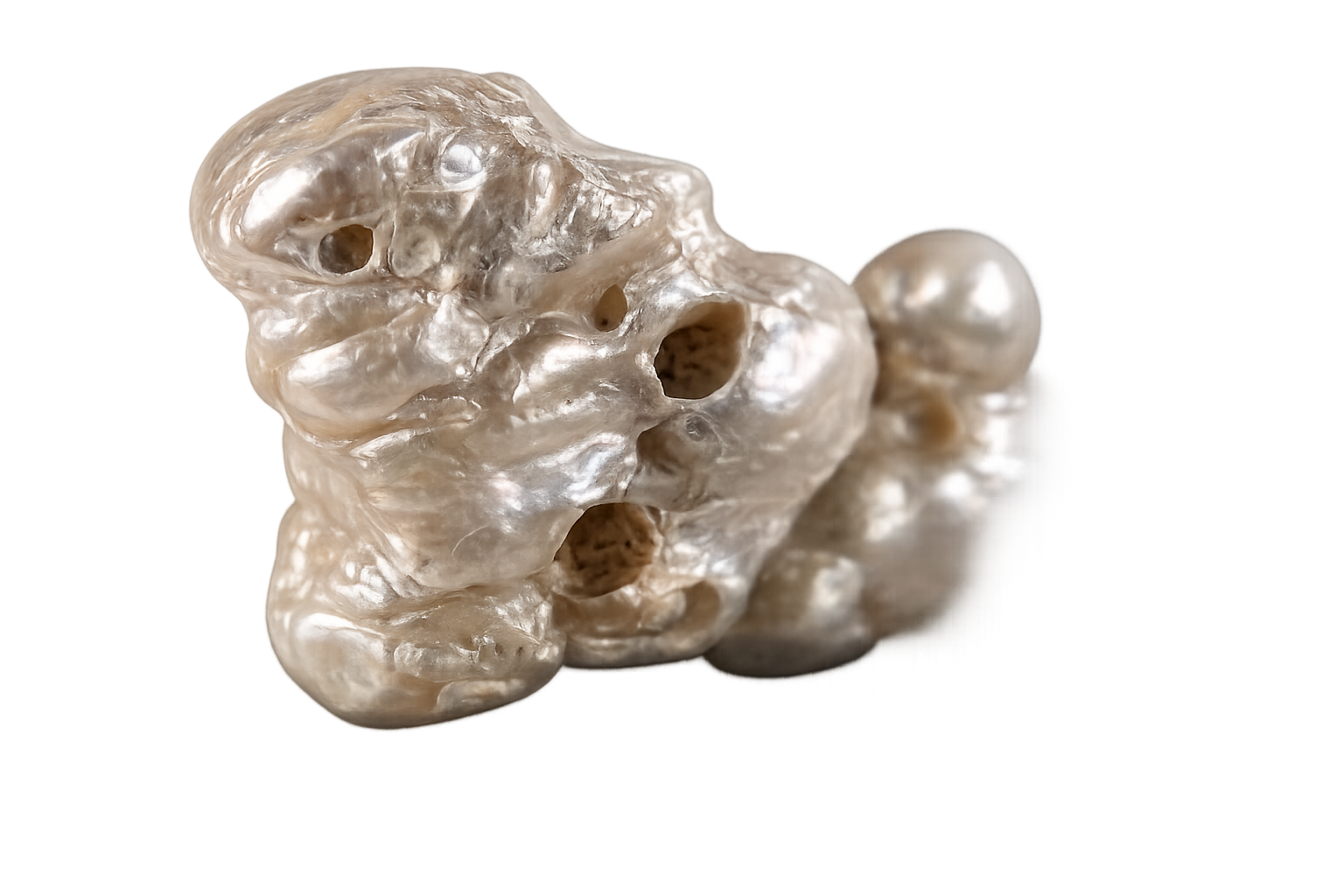
Close-up of drilled baroque shaped cluster pearl
Published Research
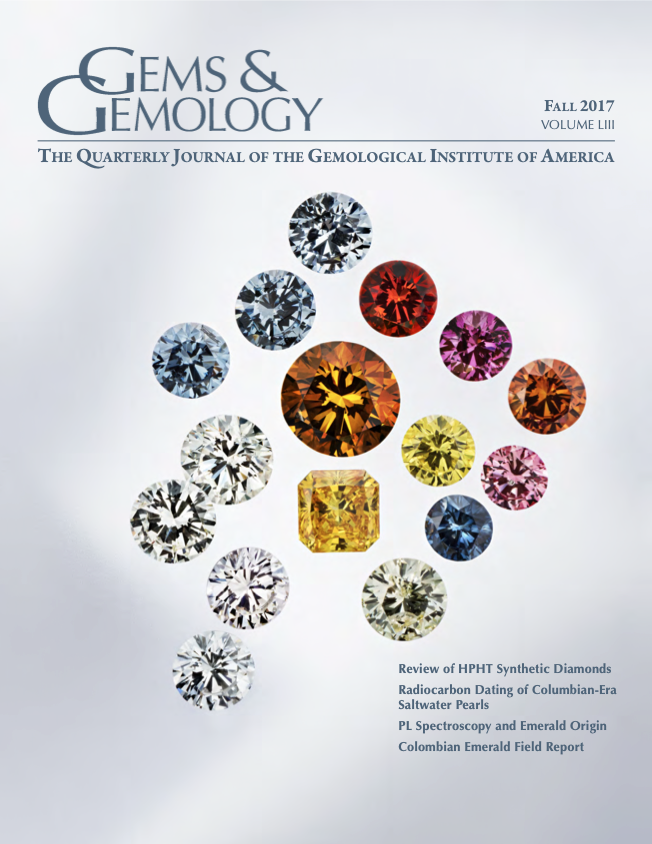
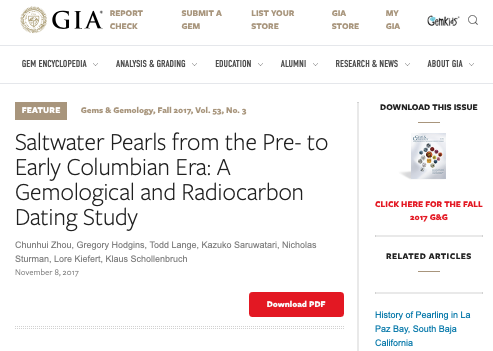
In 2017, research related to selected pearls from the collection was published in the Fall edition of Gems & Gemology, the quarterly scientific journal of the Gemological Institute of America. The study, titled Saltwater Pearls from the Pre- to Early Columbian Era: A Gemological and Radiocarbon Dating Study, examined natural saltwater pearls reportedly associated with the Caribbean region through a combination of gemological testing and radiocarbon analysis.
The publication documented analytical methods including X-ray microradiography, Raman spectroscopy, EDXRF analysis, and Accelerator Mass Spectrometry (AMS) radiocarbon dating. The results supported the natural saltwater origin of the pearls and produced calibrated date ranges corresponding broadly to the late pre-Columbian and early colonial periods.
The study represented a collaborative effort between Chunhui Zhou of GIA New York; Gregory Hodgins and Todd Lange of the University of Arizona Accelerator Mass Spectrometry Laboratory; Kazuko Saruwatari of GIA Tokyo; Nicholas Sturman of GIA Bangkok; and Lore Kiefert and Klaus Schollenbruch of the Gübelin Gem Lab. Additional assistance was provided by Prof. Minoru Yoneda and Dr. Takayuki Omori of the University of Tokyo Laboratory of Radiocarbon Dating, as well as Dr. Shoko Odake of GIA Tokyo.
The acknowledgments section of the publication further noted the contribution of Antoinette Matlins for facilitating contact with the Gübelin Gem Lab.