Codex
Exploring the world behind the Columbus Pearls
Introduction
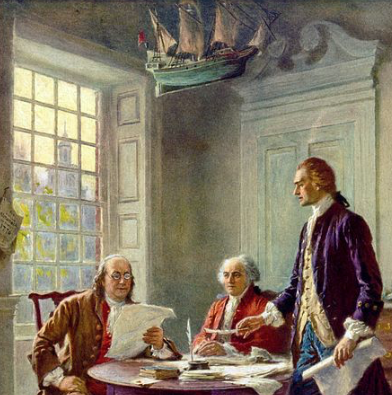
On July 4, 2026, the United States marks the 250th anniversary of its independence. Speeches invoke 1776. Ceremonies honor the Founding Fathers. The national story, as it is most often told, begins with the Revolution and traces a familiar arc toward the present.
What that story rarely addresses are the 278 years that came before it.
History is usually written in chapters. Civilizations rise and fall. Empires expand. Trade routes shift. Peoples are displaced, enslaved, or extinguished. These events are studied as though each belongs to a separate narrative — the Age of Exploration in one chapter, the Atlantic slave trade in another, the founding of the Americas in a third.
The America 250 commemoration is no exception. Like many national origin narratives, it begins at the moment of political birth and treats everything preceding it as prologue.
What the evidence assembled in this Codex suggests is that the prologue is inseparable from the story itself.
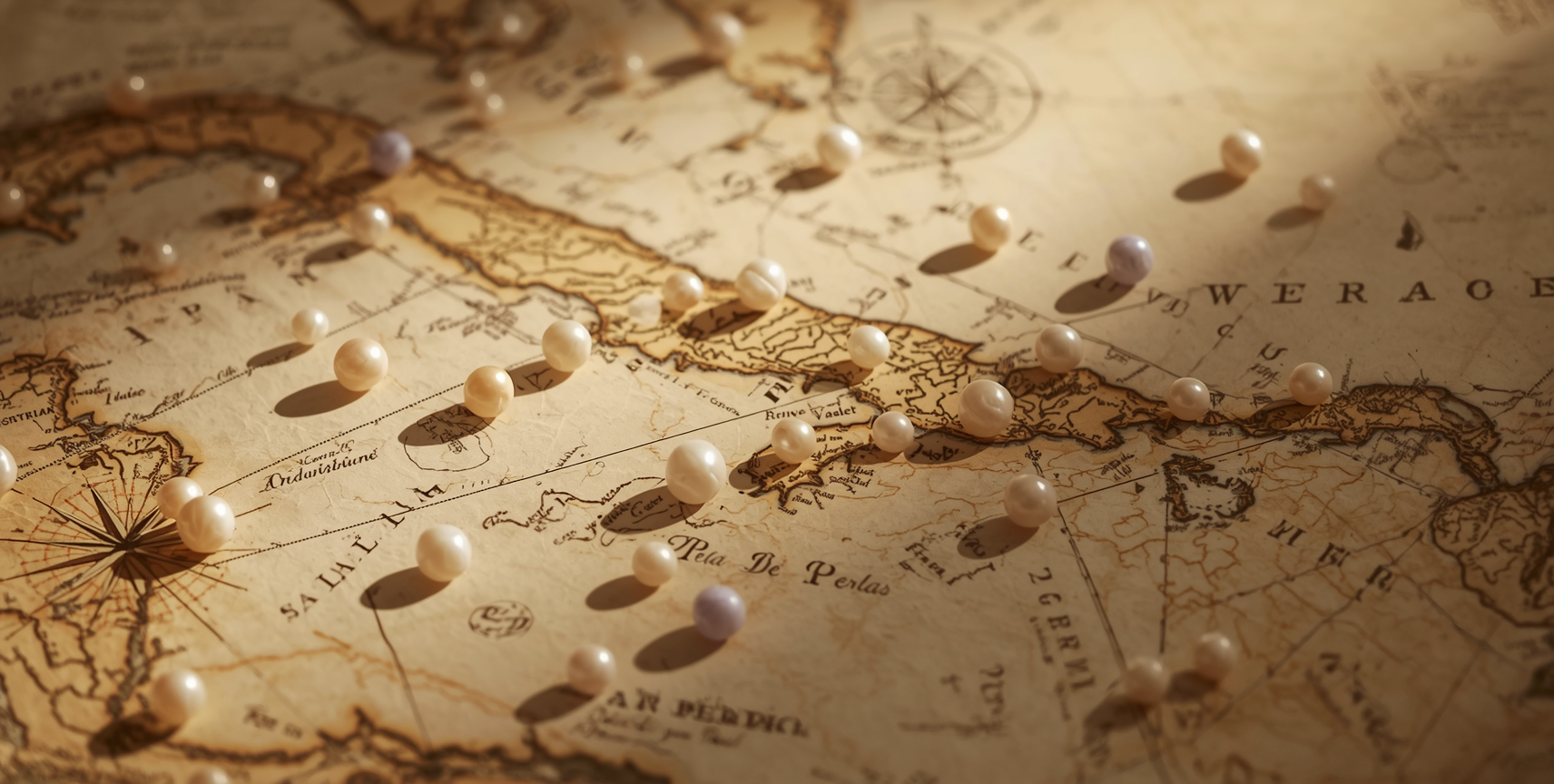
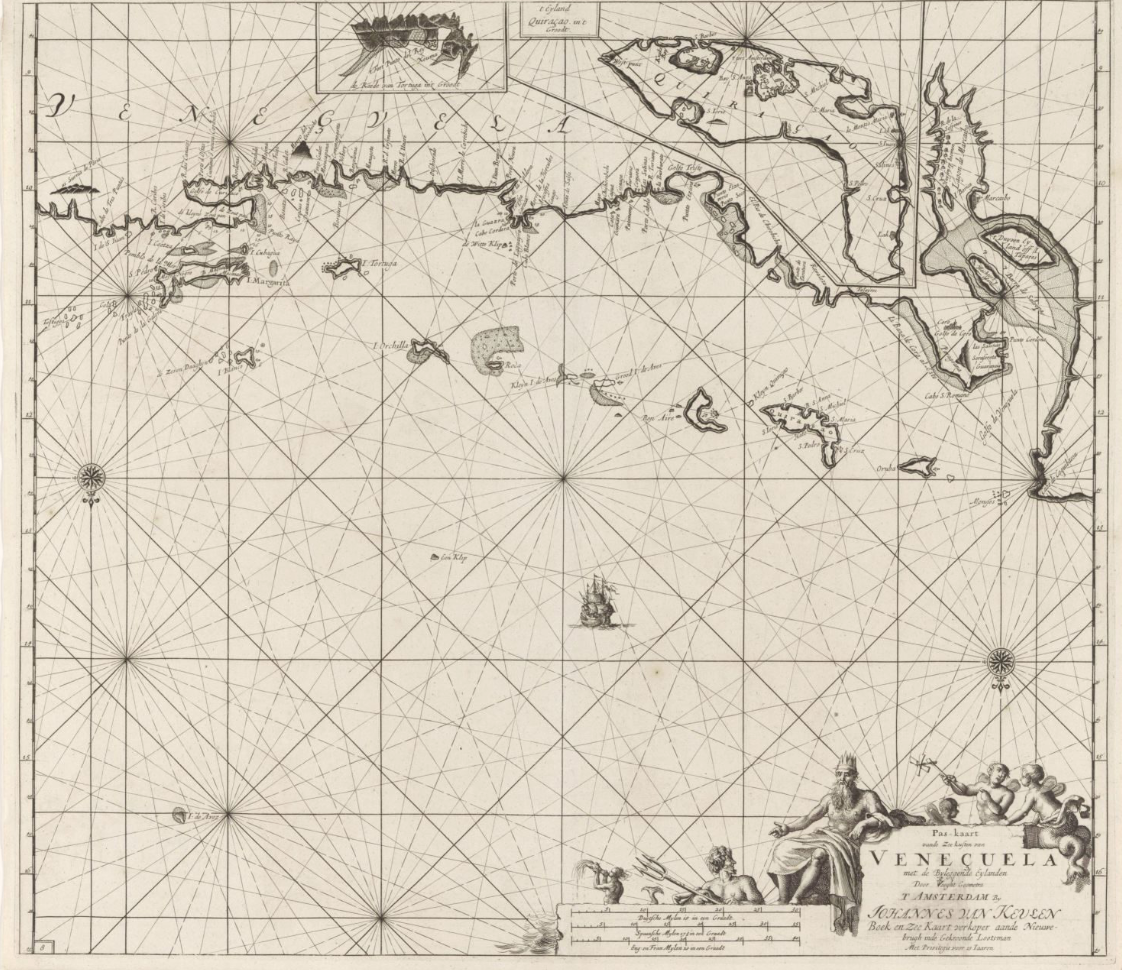
To understand the origins of the Americas as an interconnected Atlantic system, the story begins not in Philadelphia in 1776, nor in Jamestown in 1607, nor at Plymouth Rock in 1620, but in the waters surrounding a small, waterless island off the coast of Venezuela called Cubagua, where the most productive natural pearl beds in the history of the Atlantic world were discovered, exploited, and exhausted within a single generation between 1499 and 1541.
The First Atlantic Wealth
The pearls of Cubagua were the first organized wealth extracted from the Americas on a transatlantic scale.
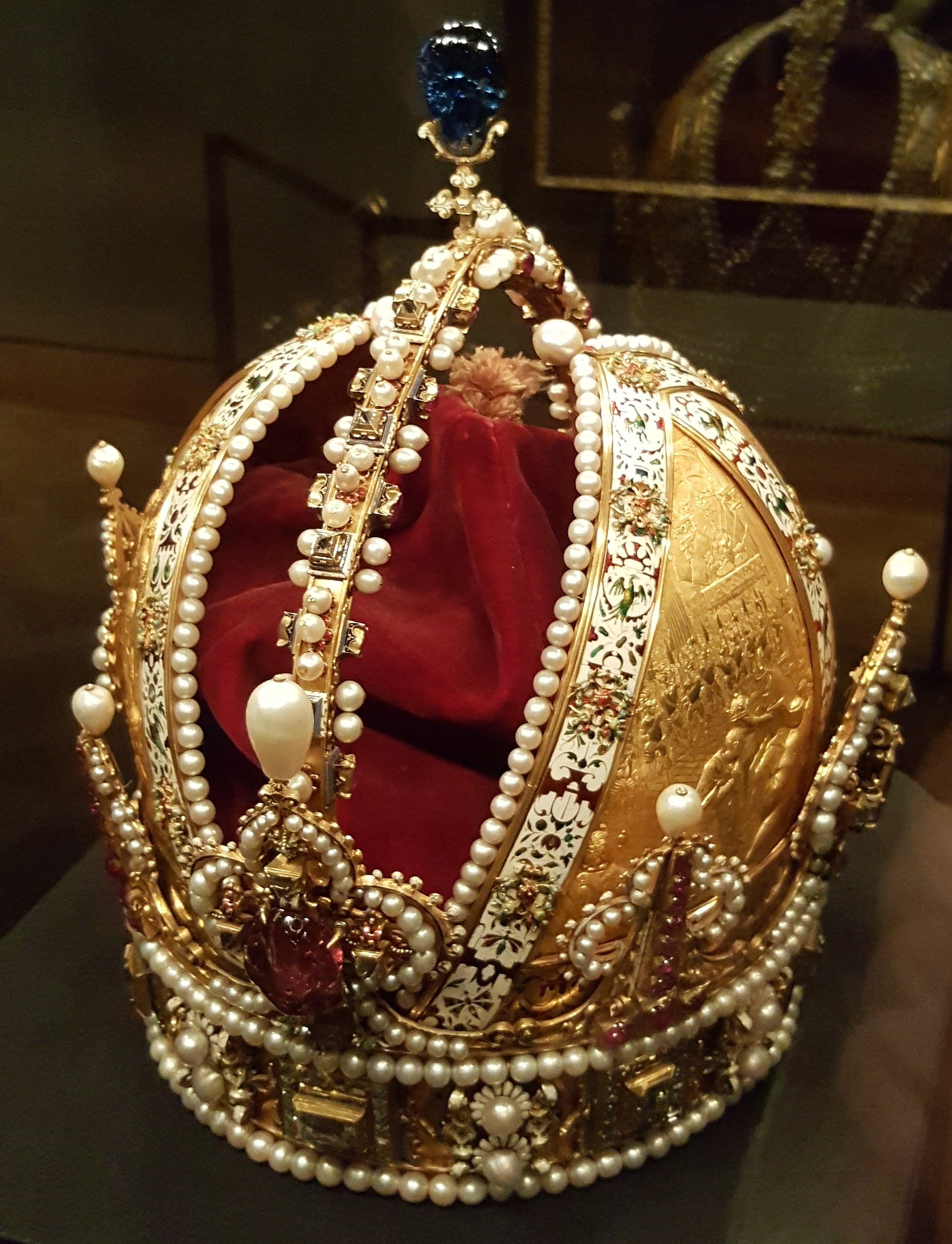
They preceded the gold of Mexico by two decades, the silver of Peru by three, and the tobacco economy of Virginia by more than a century. The institutional mechanisms developed to extract, tax, transport, and regulate pearl revenues — including the quinto real, the Casa de Contratación, and the expanding Atlantic licensing system — became part of the administrative architecture later applied across the Spanish Empire.
The human cost was equally foundational.
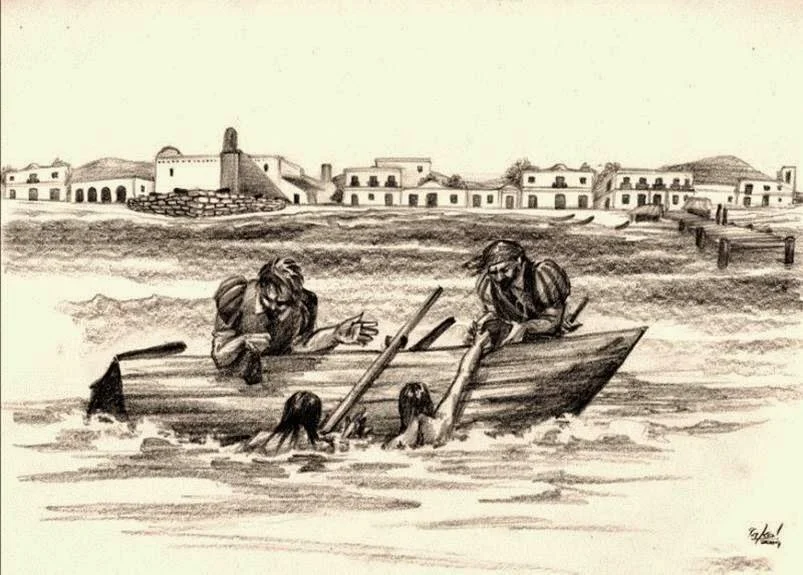
Long before plantation systems came to dominate the Atlantic economy, the pearl fisheries of the Caribbean consumed Indigenous and African labor at catastrophic rates. Entire island populations declined within decades under the demands of extraction, diving, transport, and colonial control. The commercial systems supplying labor to the fisheries became part of the broader Atlantic networks that later expanded into the transatlantic slave trade on an unprecedented scale.
In 1526, enslaved Africans arrived with the San Miguel de Gualdape expedition in present-day South Carolina — nearly a century before the 1619 Jamestown landing that traditionally occupies the central place in the American narrative of slavery. These movements emerged within the same expanding Atlantic commercial world that was simultaneously supplying divers to the oyster beds of Cubagua and Margarita.
The Pearl Coast and the Origins of an Atlantic System
The pearl economy also shaped the geography of exploration itself.
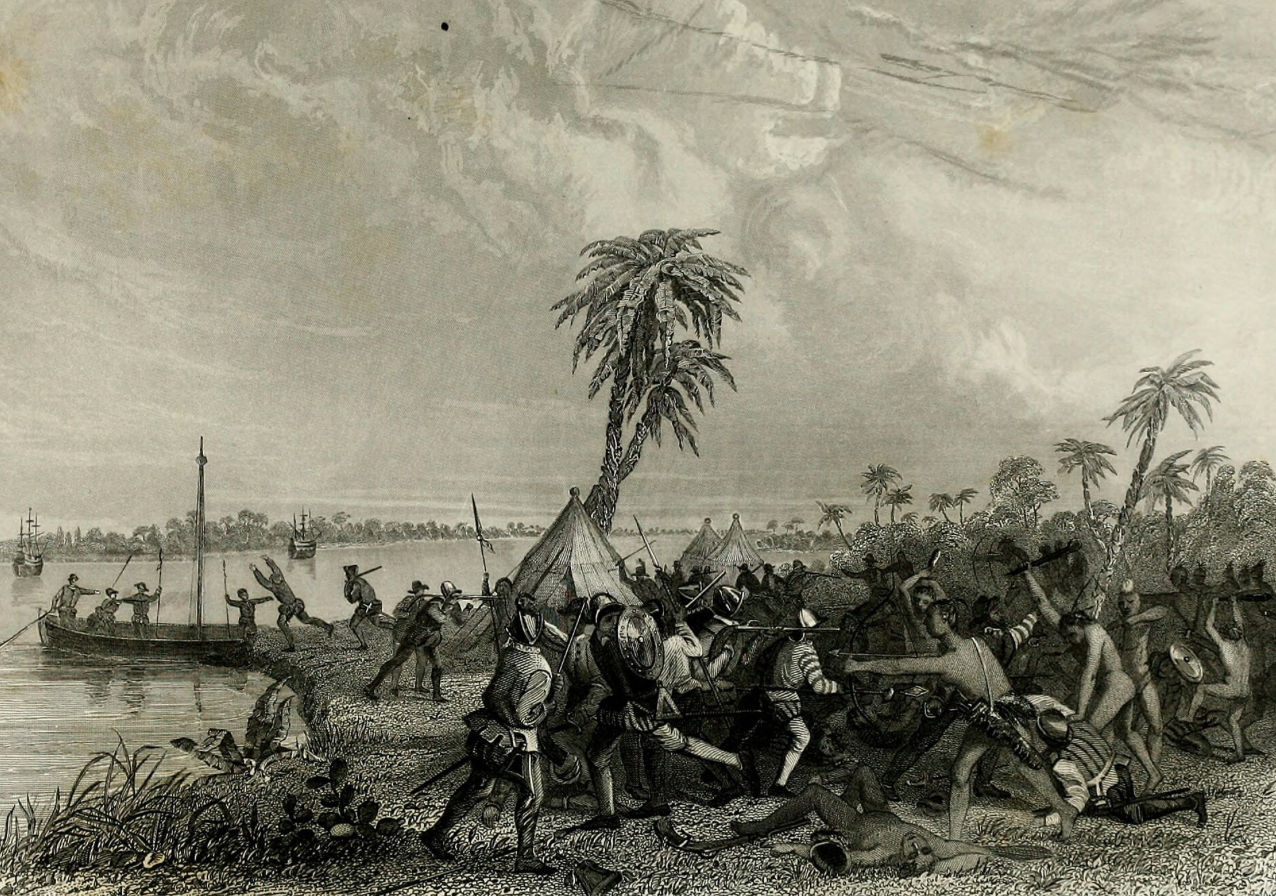
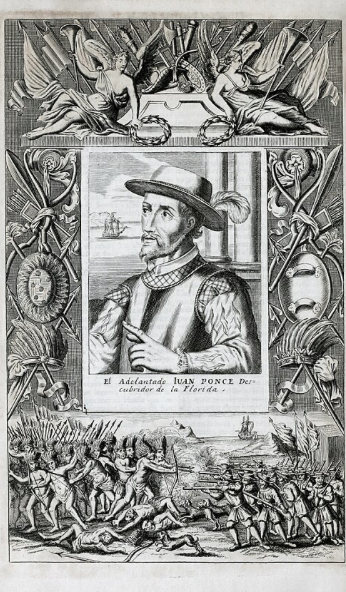
The political and commercial rivalries generated by the fisheries contributed directly to the voyages that pushed Spanish expansion northward through the Caribbean and into the coastlines of Florida. In 1513, Juan Ponce de León became the first documented European to reach continental North America and identified the Gulf Stream, the ocean current that defined Atlantic navigation for centuries afterward.
The strategic realities created during this early period of imperial competition eventually contributed to the establishment of St. Augustine in 1565, the oldest continuously inhabited European-founded city in the continental United States.
Even the fiscal logic later resisted during the American Revolution — the extraction of colonial wealth for the benefit of a distant Crown — had already been tested decades earlier within the pearl revenues of Cubagua.
America’s national story did not begin in 1776.
Its deeper Atlantic history began much earlier, along the Pearl Coast of Venezuela.
The America 250 commemoration marks not the beginning of that story, but roughly its midpoint. This Codex examines one of its earliest and least understood chapters.
The Pearls as Evidence
The connections explored in this project are not argued through analogy alone. They are documented in royal decrees, shipping ledgers, legal disputes, ecclesiastical testimony, archaeological reports, and the writings of chroniclers such as Bartolomé de las Casas, Gonzalo Fernández de Oviedo, and countless lesser-known officials, merchants, and witnesses whose records survive in the archives of Spain and the Americas.
The pearls themselves are part of that evidence.
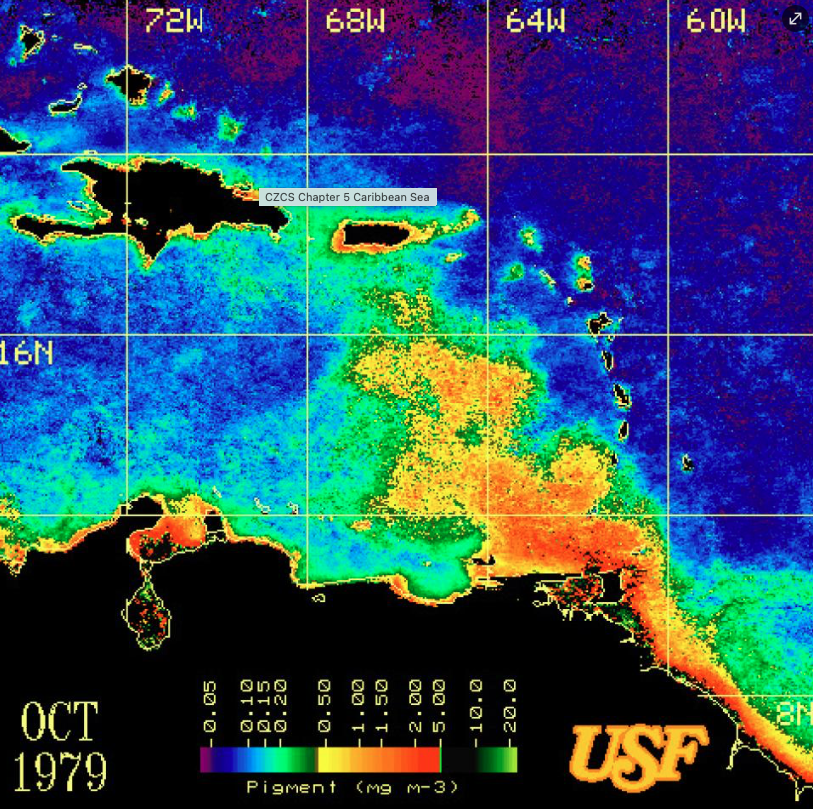
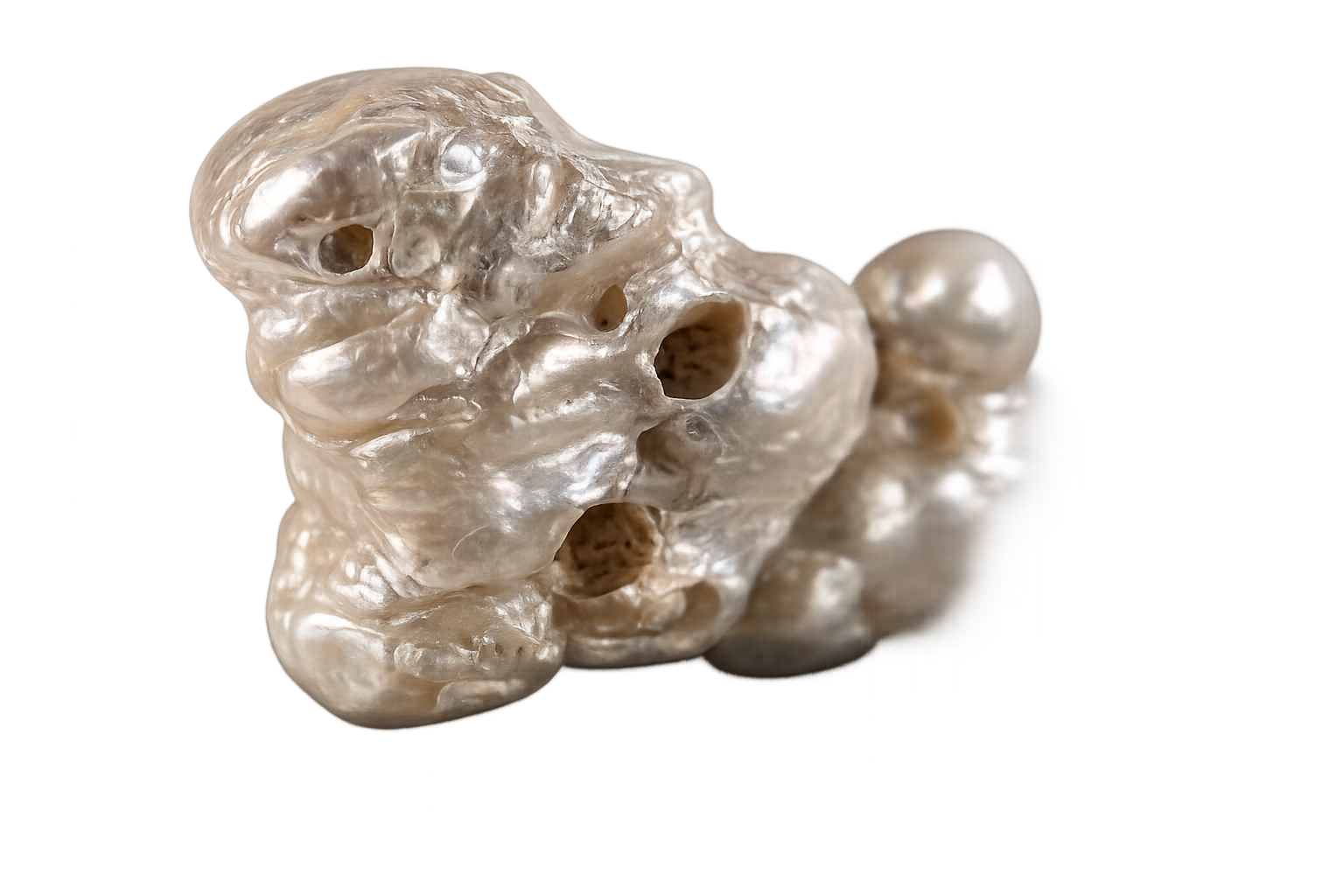
Formed in the cold upwelling waters of the Cariaco Basin — one of the most biologically unusual marine environments in the Atlantic world — harvested by divers whose names were almost never recorded, graded according to a classification system sophisticated enough that European elites placed specialized orders across the Atlantic, and preserved for centuries inside a sealed ceramic vessel while the society surrounding the fisheries collapsed around them, the Cubagua assemblage preserves a physical record of the world in which it was created.
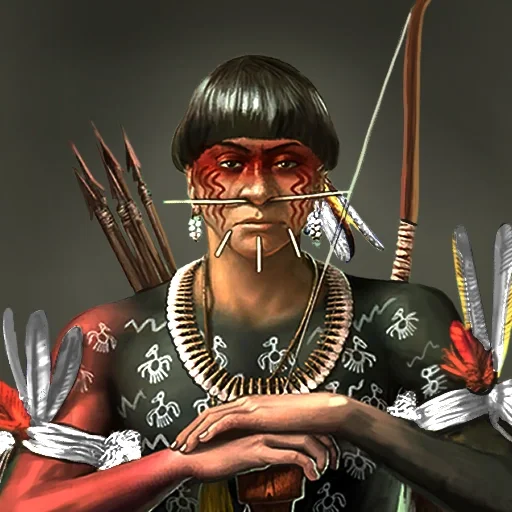
Radiocarbon dating places portions of the assemblage between approximately 1455 and 1615 AD. The drilling morphology of some early specimens suggests the work of Indigenous Guaiquerí craftspeople operating before Spanish colonial systems transformed pearls from cultural adornments into units of imperial commerce.
Some specimens preserve microscopic traces of prolonged human contact, raising the possibility that future analytical methods may yet recover additional information about the individuals who once wore them.
These are not objects from a historical footnote.
They are objects from the opening phase of the Atlantic world.
The Missing Chapter
The Codex that follows examines this history in depth: the oceanography that made Cubagua possible, the Indigenous societies that first valued its pearls, the rise and destruction of Nueva Cádiz, the fiscal systems that transformed pearl extraction into imperial revenue, the emergence of Atlantic labor networks, the chroniclers who documented the violence of the fisheries, the scientific study of surviving pearls, and the enduring historical consequences of the first great extractive economy of the Americas.
History written in isolated chapters often obscures the threads connecting them.
The Columbus Pearls are one of those threads.